
University of Maryland astronomers have identified a dormant supermassive black hole sitting far from the center of its host galaxy, according to ScienceDaily. The discovery is the first time scientists have found an inactive black hole at such a large distance from a galactic core.
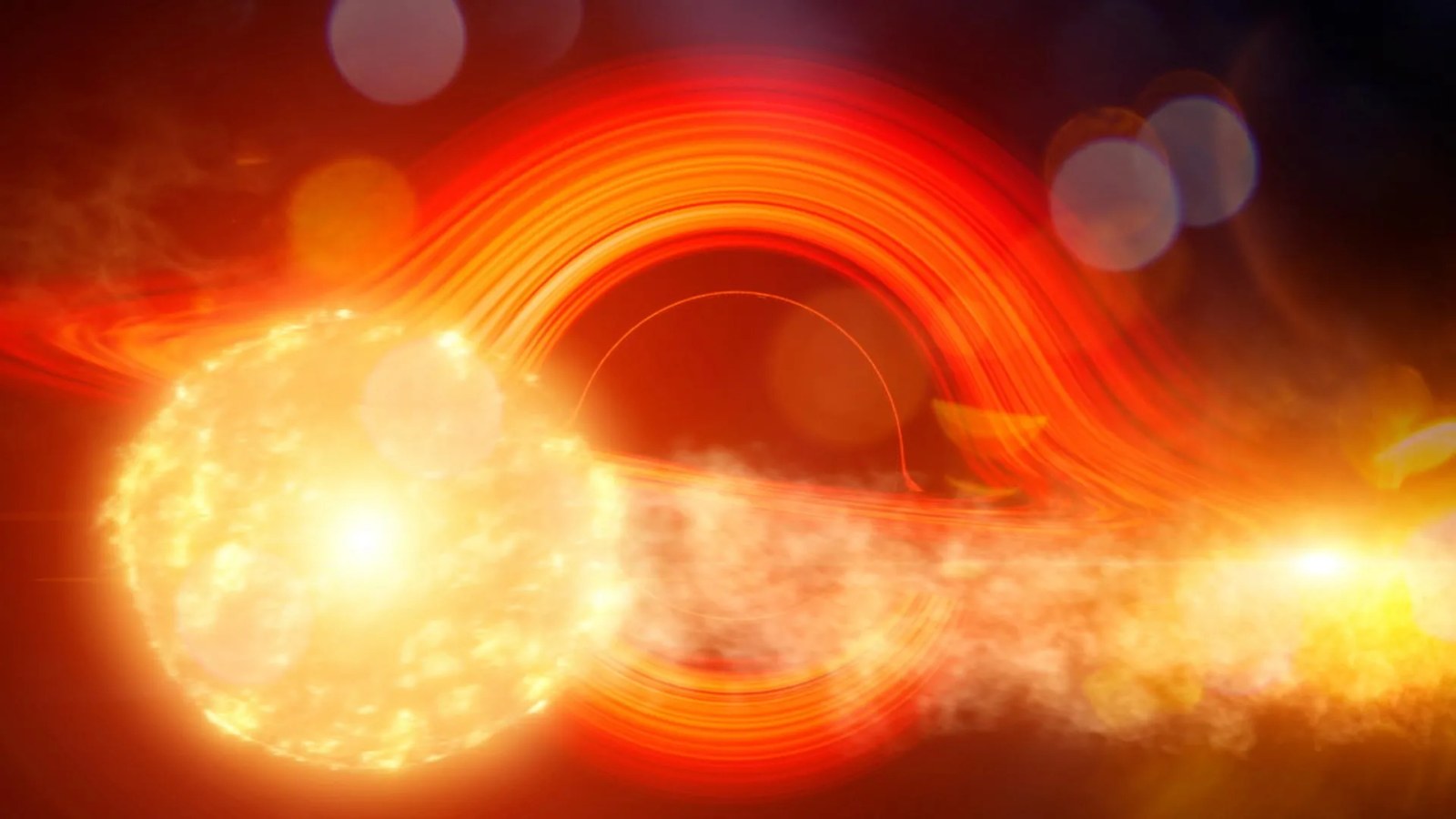
The black hole had been hidden because it was not actively pulling in material and giving off detectable light. Researchers only spotted it after it tore apart a passing star, creating a brief burst of light known as a tidal disruption event.
The findings were published in The Astrophysical Journal Letters on July 27, 2026. Study co-author Suvi Gezari said the result could help scientists find many more “wandering” black holes and better understand how galaxies and black holes grow together over time.
The team first detected the event with the Zwicky Transient Facility, then used an artificial intelligence program designed to recognize the light pattern left behind when a black hole destroys a star. The black hole is about 9.3 kiloparsecs, or roughly 30,000 light-years, from the center of its galaxy and has a mass comparable to the Milky Way’s central black hole.
Researchers think the black hole’s unusual location may be tied to an old galaxy collision or a three-black-hole interaction that pushed it away from the center. The team says continued sky surveys and machine learning could reveal many more of these elusive objects in the years ahead.