
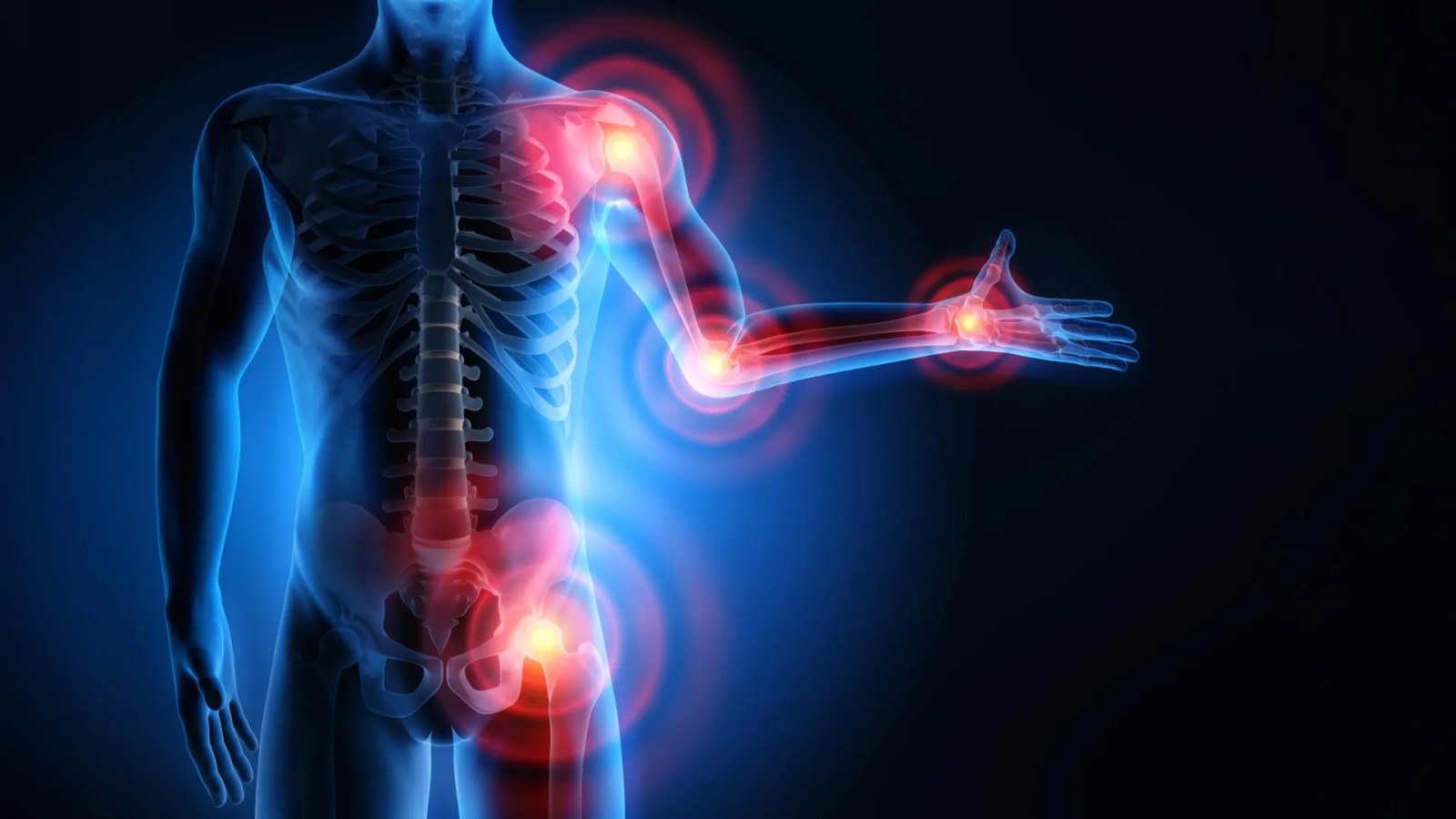
The human body is often admired as if it were perfectly engineered, but according to ScienceDaily, a closer look shows a collection of compromises shaped by evolution over time.
The article explains that evolution works by modifying what already exists, not starting from scratch. That is why some body parts are functional but far from ideal for modern humans.
Examples include the spine, which still carries the legacy of quadrupedal ancestors and now must support upright walking, and the recurrent laryngeal nerve, which takes a long detour from the brain to the larynx. ScienceDaily says these traits can make people more vulnerable to problems such as back pain and surgical injury.
The piece also points to the backwards wiring of the retina, limited replacement of teeth, wisdom teeth that often no longer fit comfortably, and the difficult tradeoff between walking efficiently and giving birth to large-brained babies. It adds that features such as the appendix and sinuses remain in the body despite offering only limited benefits.
Overall, the article says human anatomy is best understood not as perfect design, but as a practical outcome of evolutionary history.