
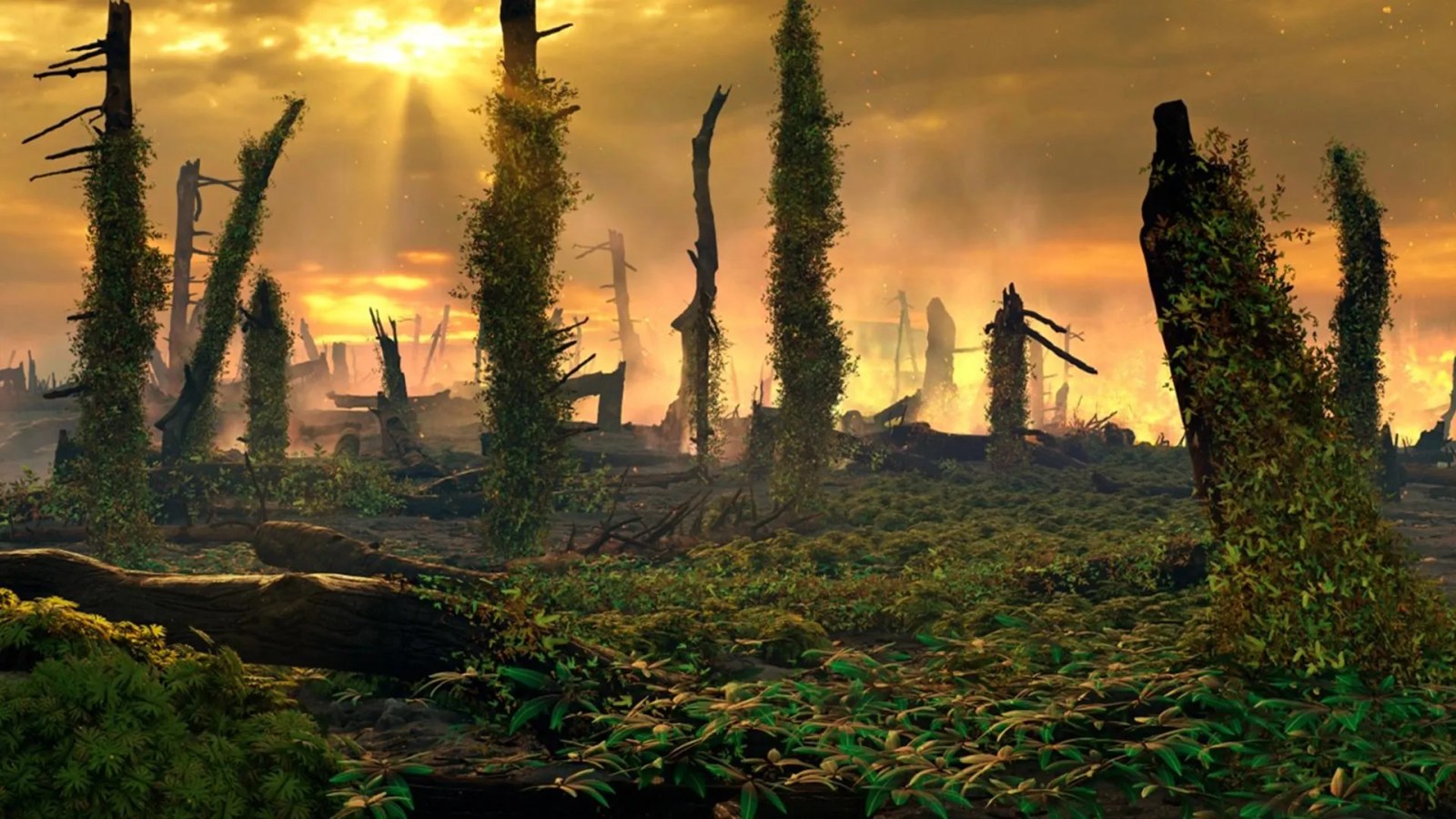
Ancient ferns may have helped turn parts of Triassic Europe into a fire-prone landscape during the end-Triassic mass extinction, according to ScienceDaily reporting on research led by geologists at Utrecht University. The study, published July 21, 2026 in Nature Geoscience, links a major rise in wildfire activity with a dramatic expansion of ferns.
The end-Triassic extinction happened about 201 million years ago and has long been associated with huge volcanic eruptions tied to the break-up of Pangea. Those eruptions pumped large amounts of carbon dioxide into the atmosphere, raising global temperatures by an estimated 5 to 10 degrees Celsius and contributing to the collapse of forests.
To track fire activity from that period, the researchers examined sediment from four drill cores, including a 640-meter core from the United Kingdom. They looked at fossil charcoal and wildfire-related chemicals called polycyclic aromatic hydrocarbons, or PAHs, and paired those data with pollen and spore records.
The team also used a new approach called the Palynomorph Darkness Index, which measures changes in the color of fossil pollen and spores. According to senior author Bas van de Schootbrugge, the fossils darkened sharply during the extinction interval across all four cores, matching the period when charcoal and PAH levels rose.
The researchers say the pattern points to a long interval of severe wildfire activity during the fern spike. They estimate that fern-dominated landscapes may have persisted for at least 40,000 years and possibly as long as 300,000 years, with ferns quickly regrowing after fires and helping provide fuel for repeated blazes.