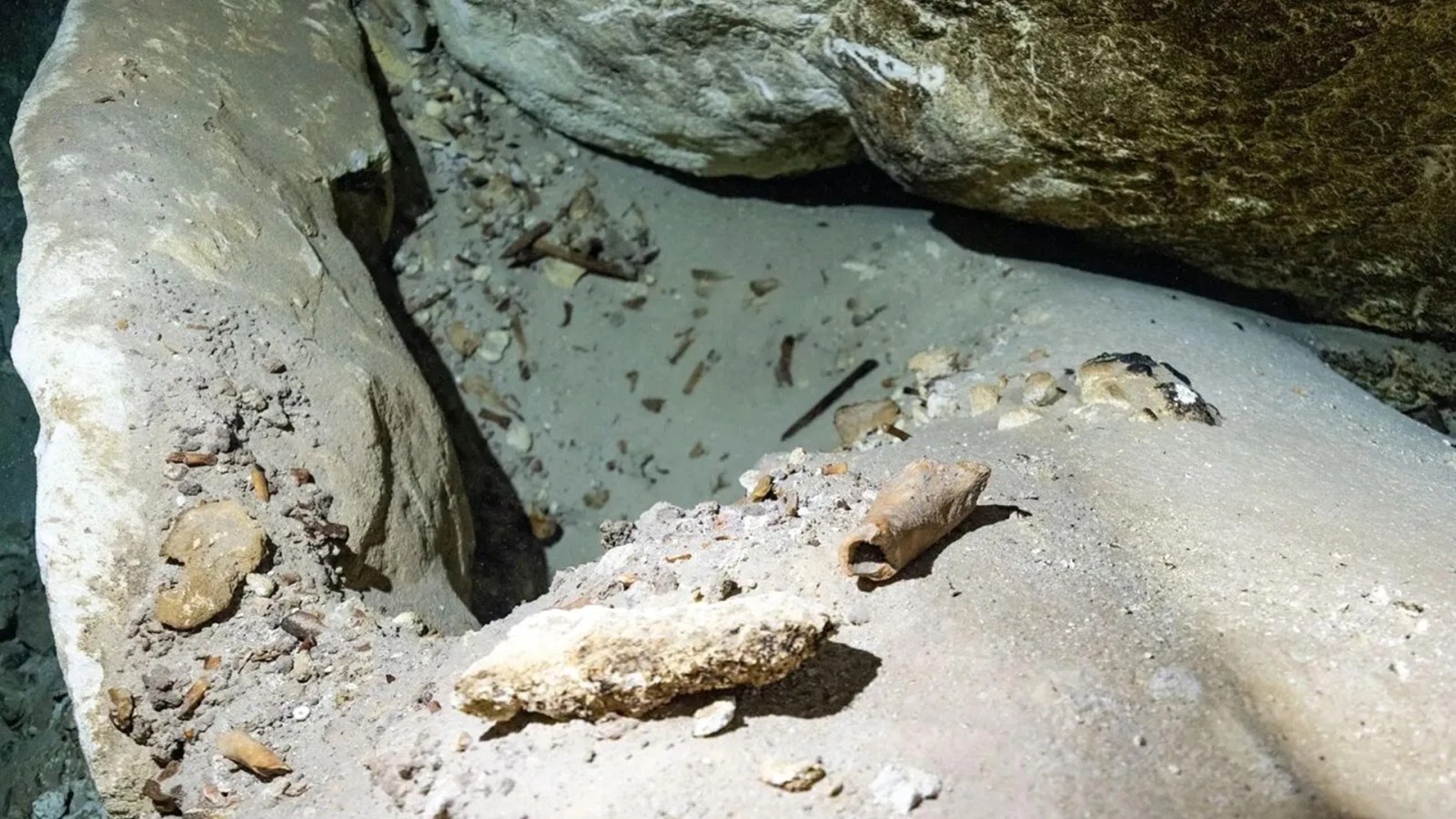
Scientists at Griffith University say bones recovered from underwater caves in South Australia could help unlock how the remains of extinct megafauna became fossils.
According to ScienceDaily, the research team studied animal bones from two submerged cave systems near Mount Gambier and compared them with bones from dry caves. By looking at everything from bone positions and surface wear to chemical traces and proteins, they identified different preservation patterns in wet and dry environments.
The study found that underwater caves can protect skeletal remains exceptionally well, often keeping their original structure and fine surface details intact. But the team also saw distinct chemical and biological marks tied to cave conditions, including light levels and the organisms living in the water.
Bones from dry caves showed a different pattern, with land bacteria and plant roots causing their own kinds of damage. The researchers say their work offers the first framework for interpreting how megafauna fossils formed, survived, and changed in underwater caves.
The study, published in PLOS One, used historical remains from animals including cows, kangaroos, emus, sheep, pigs, dingoes, rabbits, possums, quolls and swamp rats. Some of the bones may date back to the arrival of the first Europeans in the 1840s.