
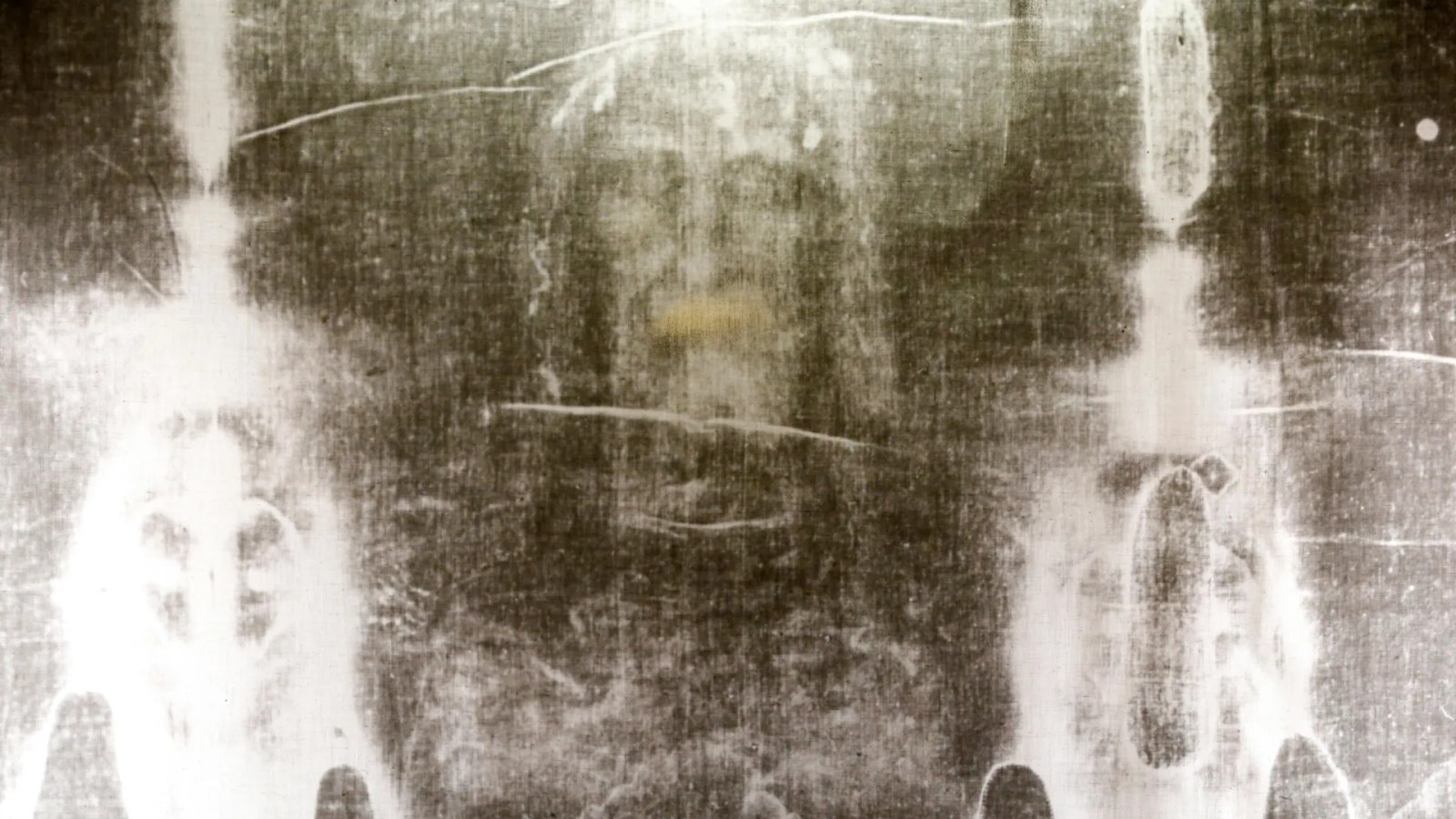
A new DNA study has uncovered a complex biological record preserved in the Shroud of Turin, according to ScienceDaily. The research was published in Scientific Reports and used advanced sequencing methods on official samples collected from the cloth in 1978.
By analyzing genomic DNA embedded in the linen fibers, the team was able to build what it calls the most detailed picture yet of biological material that accumulated on the Shroud over time. The samples reflected centuries of human contact and environmental exposure.
Researchers detected several human mitochondrial DNA lineages, along with a varied microbiome that included bacteria, fungi and salt-loving microorganisms. They also found DNA from cultivated plants, domesticated animals and Mediterranean red coral.
According to the University of Lancashire, the plant DNA included wheat, carrots, maize, bananas and peanuts, while the animal DNA came from cattle, pigs, chickens, dogs and cats. The researchers said these findings suggest the cloth came into contact with many different people, objects and environments as it moved through history.
The study was not meant to determine the Shroud’s age or authenticity. Instead, the team said the work shows how forensic genomics and proteomics can help reconstruct the biological history of culturally important artifacts.