Researchers from Sanford Burnham Prebys Medical Discovery Institute and the University of Michigan have reported new details about how insulin-producing beta cells manage protein folding, according to ScienceDaily. The study was published June 1, 2026, in the Proceedings of the National Academy of Sciences.
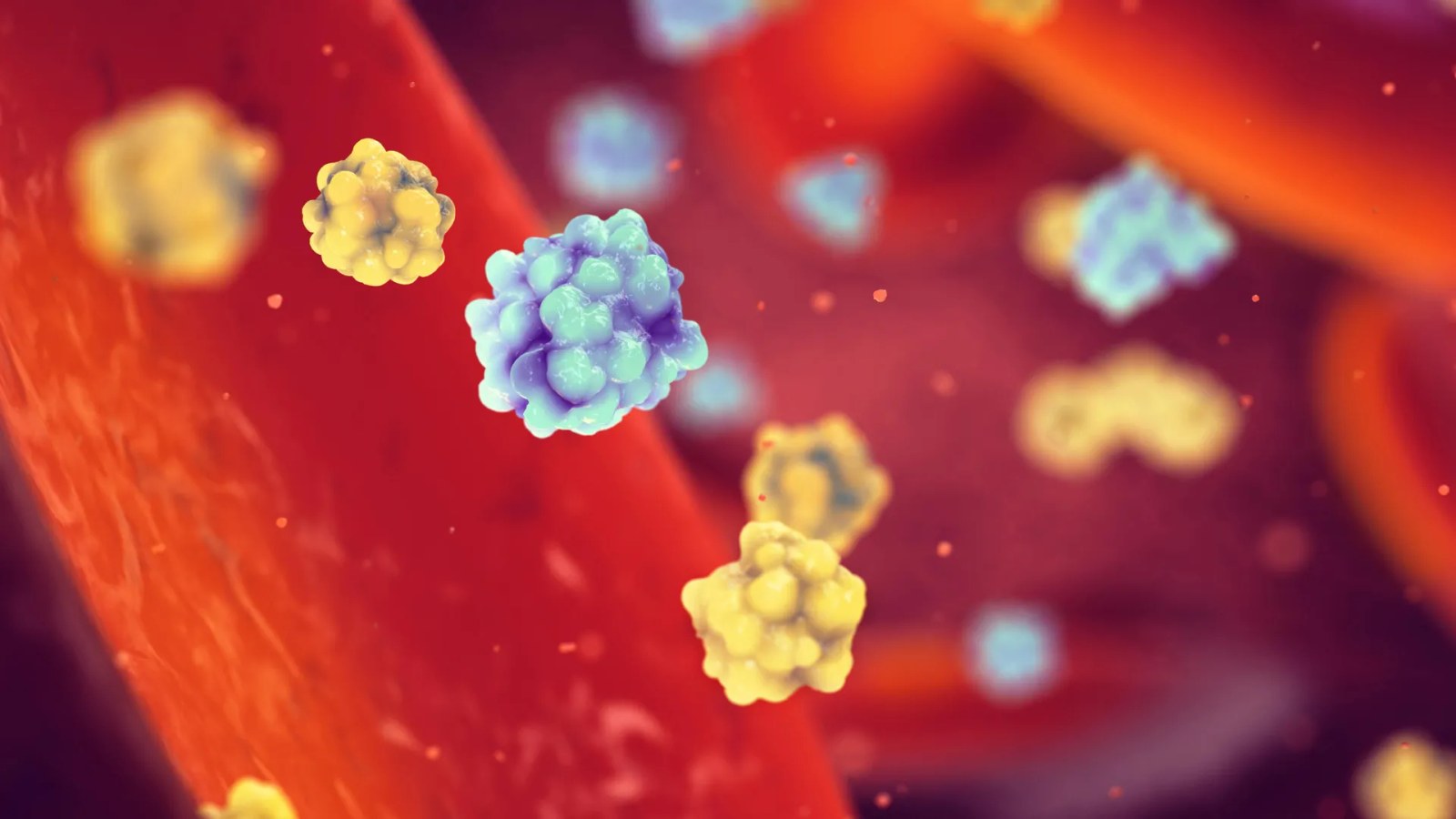
Beta cells in the pancreas help control blood sugar by making insulin when glucose levels rise. But as prediabetes progresses toward diabetes, these cells can become overwhelmed by misfolded proteins, including proinsulin, the precursor the body uses to make insulin.
In the new research, scientists examined how a chaperone protein called BiP and its partner proteins work together to keep proinsulin properly folded. The team found that p58IPK played an especially important role: when it was removed from cell lines or mice, misfolded proinsulin built up and beta cells produced less proinsulin and insulin.
Restoring p58IPK improved proinsulin folding and transport, but only when BiP was also present. The researchers also identified other proteins involved in folding, moving, and handling damaged proinsulin, though they said more work is needed to understand how these processes affect diabetes progression.
According to the study authors, current diabetes treatments do not directly fix protein-folding problems in beta cells. They said learning how to influence BiP and its partners could point toward a future strategy for protecting insulin-producing cells early in the disease process.
Comments
Loading comments…