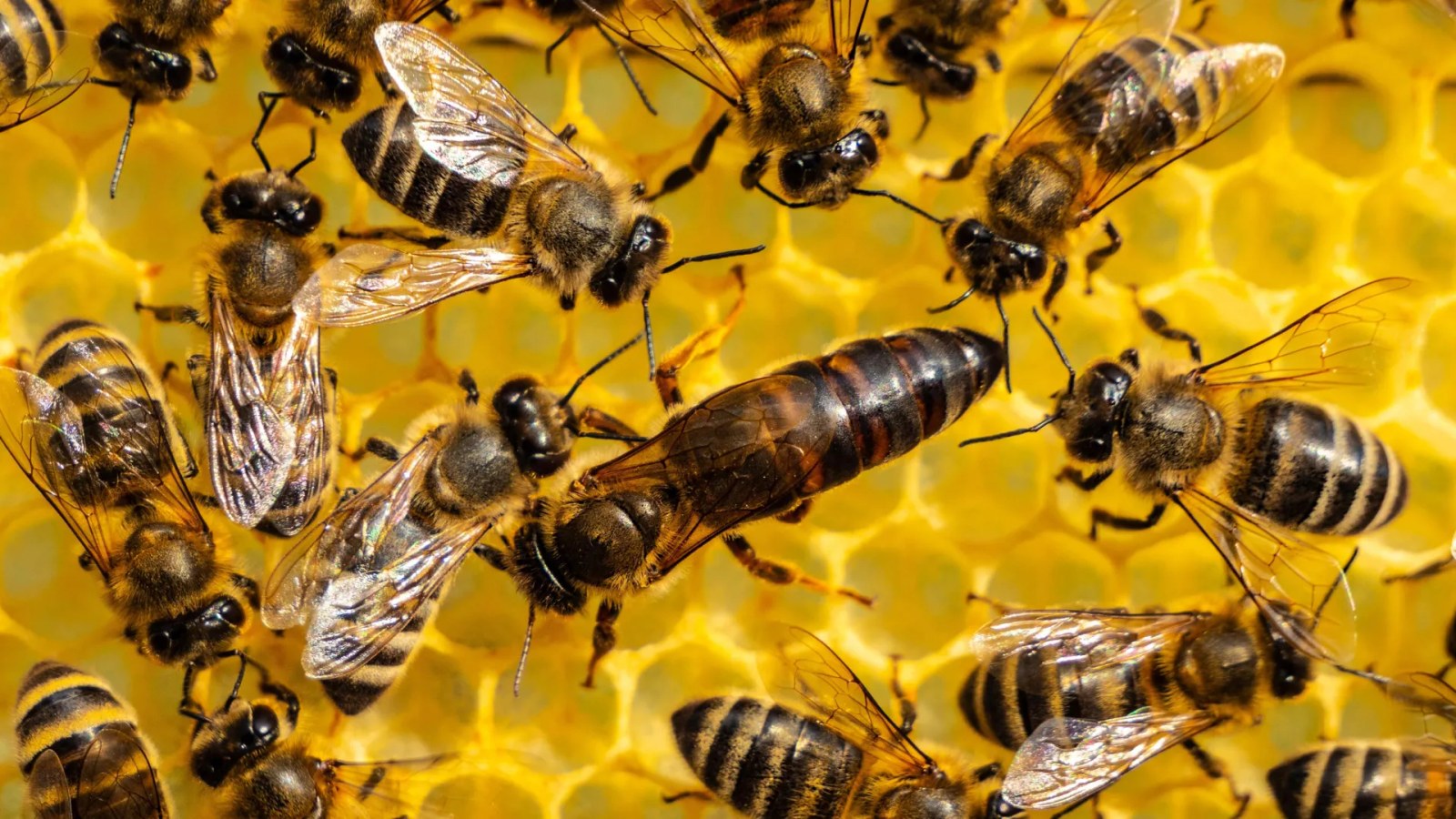
For decades, evolutionary biologists have debated whether a shared genetic system in ants, bees and wasps helped drive the rise of eusociality, a highly organized form of social living with queens, workers and cooperative care of young.
Now, new research from Arizona State University suggests that genetics by itself may not be the full explanation. The study, published in Current Biology and summarized by ScienceDaily, found that while eusociality does appear more often in insects with haplodiploidy, that pattern is largely tied to one group of insects rather than to the genetic system as a whole.
According to lead author Sachin Suresh, the long-running hypothesis has been discussed for about 60 years, but broad comparative tests across insects have been rare. The research team examined social behavior and genetics from nearly 69,000 insect species and mapped the data onto two large insect family trees.
After accounting for the evolutionary history of aculeate Hymenoptera — the group that includes stinging wasps, bees and ants — the researchers found no clear overall link between haplodiploidy and eusociality. They said the results point more toward environmental factors and life-history traits, such as stingers and nesting behavior, as possible contributors to the repeated evolution of complex insect societies.