
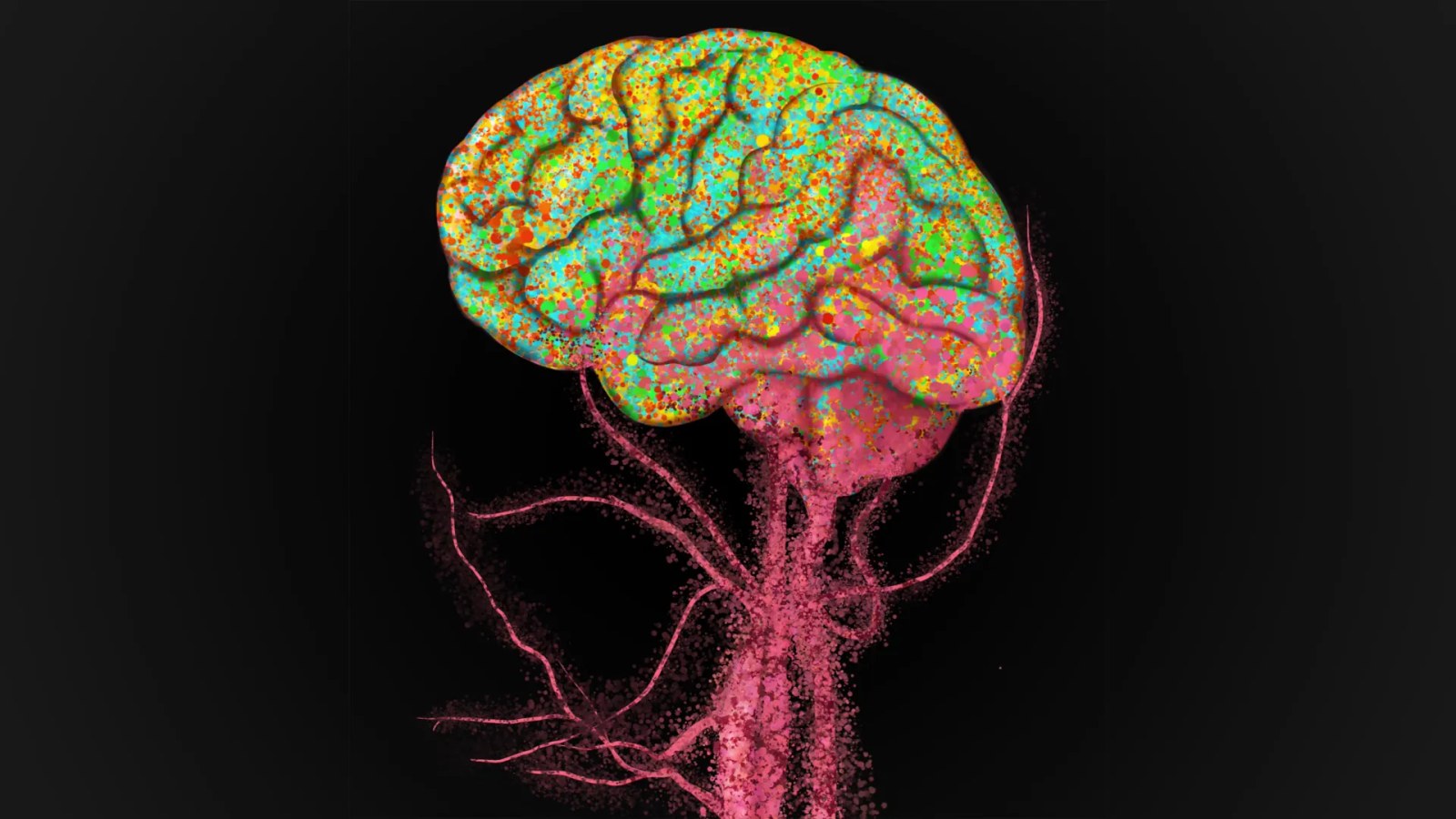
Stanford scientists have found that large numbers of immune cells from the rest of the body can enter the human brain as people age, according to ScienceDaily. The finding challenges a long-held view that the brain’s immune system operates largely apart from the body’s broader defenses.
For years, researchers believed the brain’s resident immune cells, known as microglia, were formed early in life and maintained themselves over time. The new study suggests that assumption may not always hold true, and that outside immune cells may contribute to the brain during aging.
The work, published in the journal Nature, was led by Julia Belk, a postdoctoral scholar in pathology at Stanford Medicine, with senior authors Siddhartha Jaiswal and Howard Chang. The research was supported in part by the Knight Initiative for Brain Resilience at the Wu Tsai Neurosciences Institute.
To reach their conclusions, the team analyzed human brain tissue from the Stanford Rapid Autopsy Center and the University of Washington’s Alzheimer’s Disease Sequencing Project. By comparing DNA from immune cells in the blood and brain, the researchers looked for matching mutations that could show the cells shared the same origin.
According to the study, that method allowed the scientists to track the ancestry of immune cells and determine whether some brain cells were descended from blood stem cells later in life. The findings could change how scientists understand brain aging and may open new paths for studying neurological disease.