
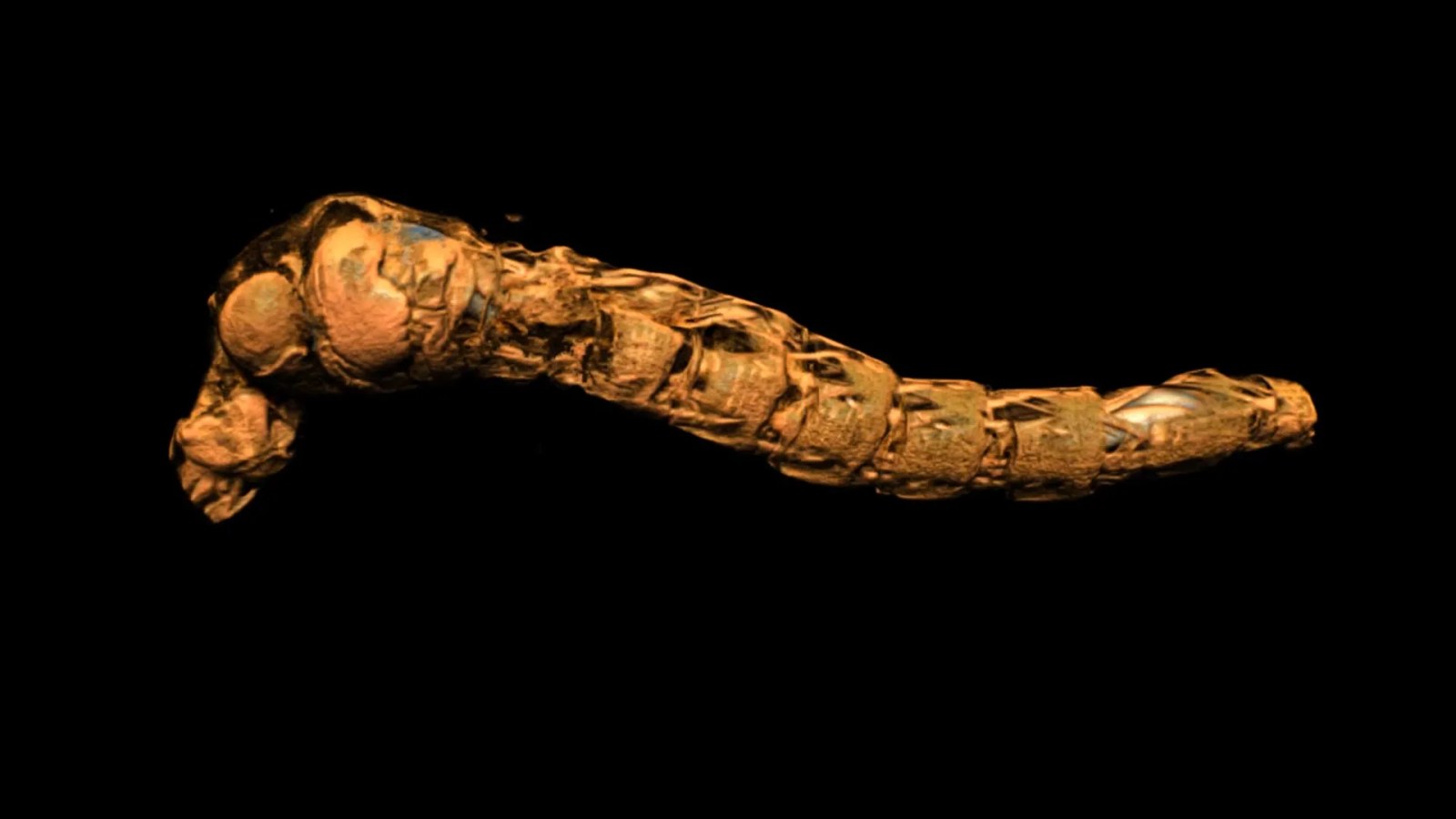
Deep-diving lake fly larvae in Lake Malawi are giving scientists new clues about how insects can survive extreme pressure, according to ScienceDaily.
Researchers from the University of British Columbia observed billions of Chaoborus edulis larvae making a daily vertical migration in the East African lake. During the day, the larvae drop more than 200 meters into a low-oxygen zone that helps shield them from predators. At night, they rise toward the surface to feed, though they must pass through schools of fish waiting below.
Using sonar equipment placed on the lake floor, Drs. Philip Matthews and Evan McKenzie tracked the swarms as they moved through the water. When they studied the insects more closely, they found that part of the larvae’s respiratory system had been adapted into two pairs of small air sacs.
Those sacs function much like submarine ballast tanks, allowing the larvae to adjust buoyancy and control whether they sink or rise. The sac walls contain resilin, an elastic material found in insects, and the team found the larvae can change the pH around the sacs to make them expand or contract.
In pressure-chamber tests, the sacs withstood pressures equal to depths of more than 400 meters, far deeper than the larvae normally travel. The researchers say the finding suggests pressure alone may not explain why insects are nearly absent from the open ocean.