
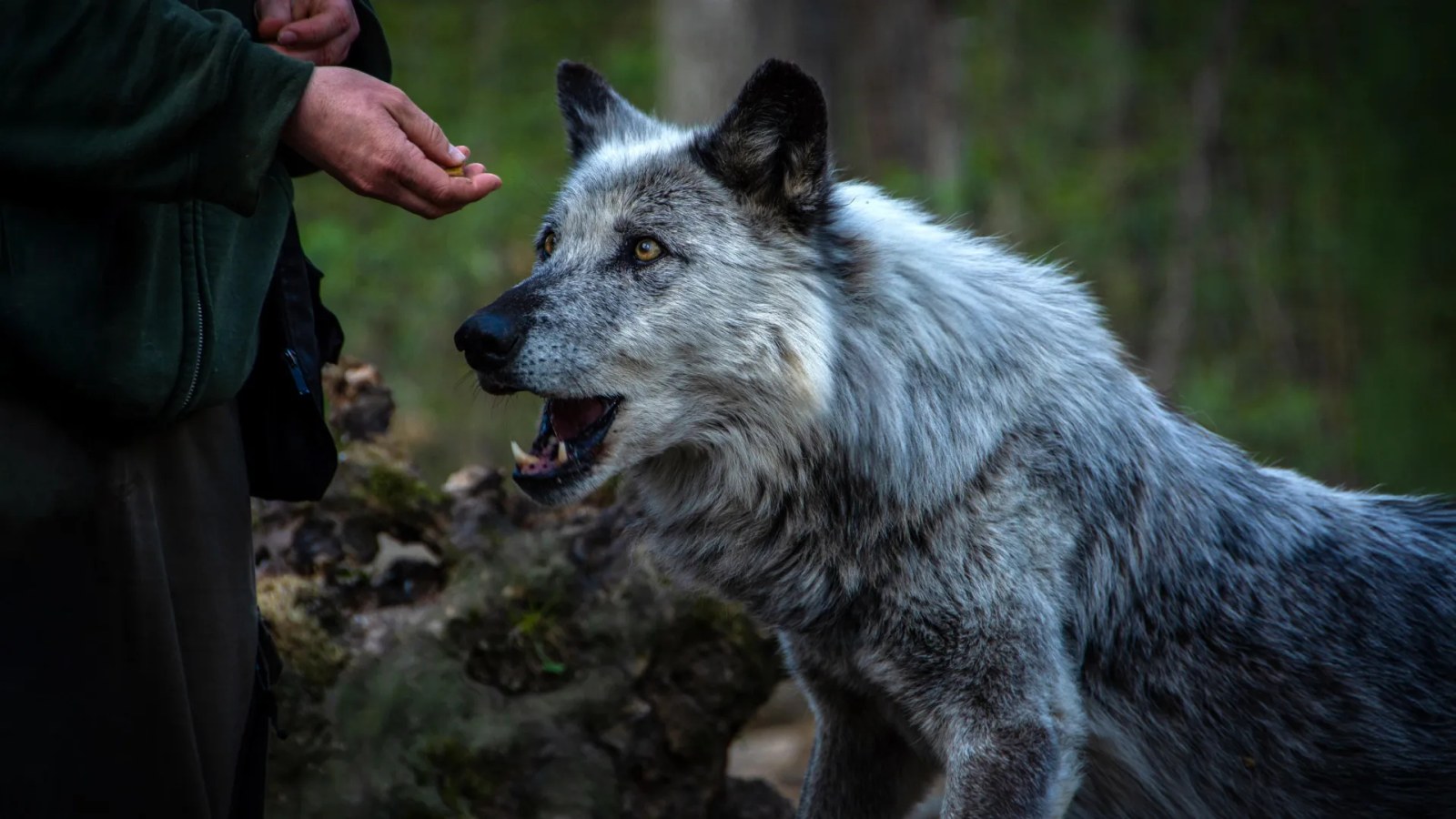
Dogs and people have shared a long, intertwined history that stretches back about 15,000 years, according to ScienceDaily. Archaeologists have found dogs buried with humans in graves dating to around 14,000 years ago, and dogs appear in art, mythology, religion and folklore across the world.
In a new book titled First Dogs: Hunter-Gatherers and their Canine Companions from Prehistory to the Present, archaeologist Professor Peter Mitchell describes dog domestication as a slow and complex process. He argues that humans and wolves may have first entered the relationship as more equal partners, with hunter-gatherer groups playing a key role long before other animals and plants were brought under close control.
Over time, dogs developed traits suited to the places and people they lived with. Arctic dogs became compact and heavily coated for cold conditions, while dogs used for hunting in tropical forests tended to be smaller and more agile. On the Tibetan Plateau, some dogs evolved genetic adaptations that helped them function in low-oxygen environments, similar to changes seen in local human populations.
The article also notes that dogs served many different purposes around the world, from pulling sleds and carrying loads to hunting, guarding and even providing wool for ceremonial blankets on the Northwest Coast of North America. Disease and colonial expansion also played major roles in shaping where dogs could live and which lineages survived.