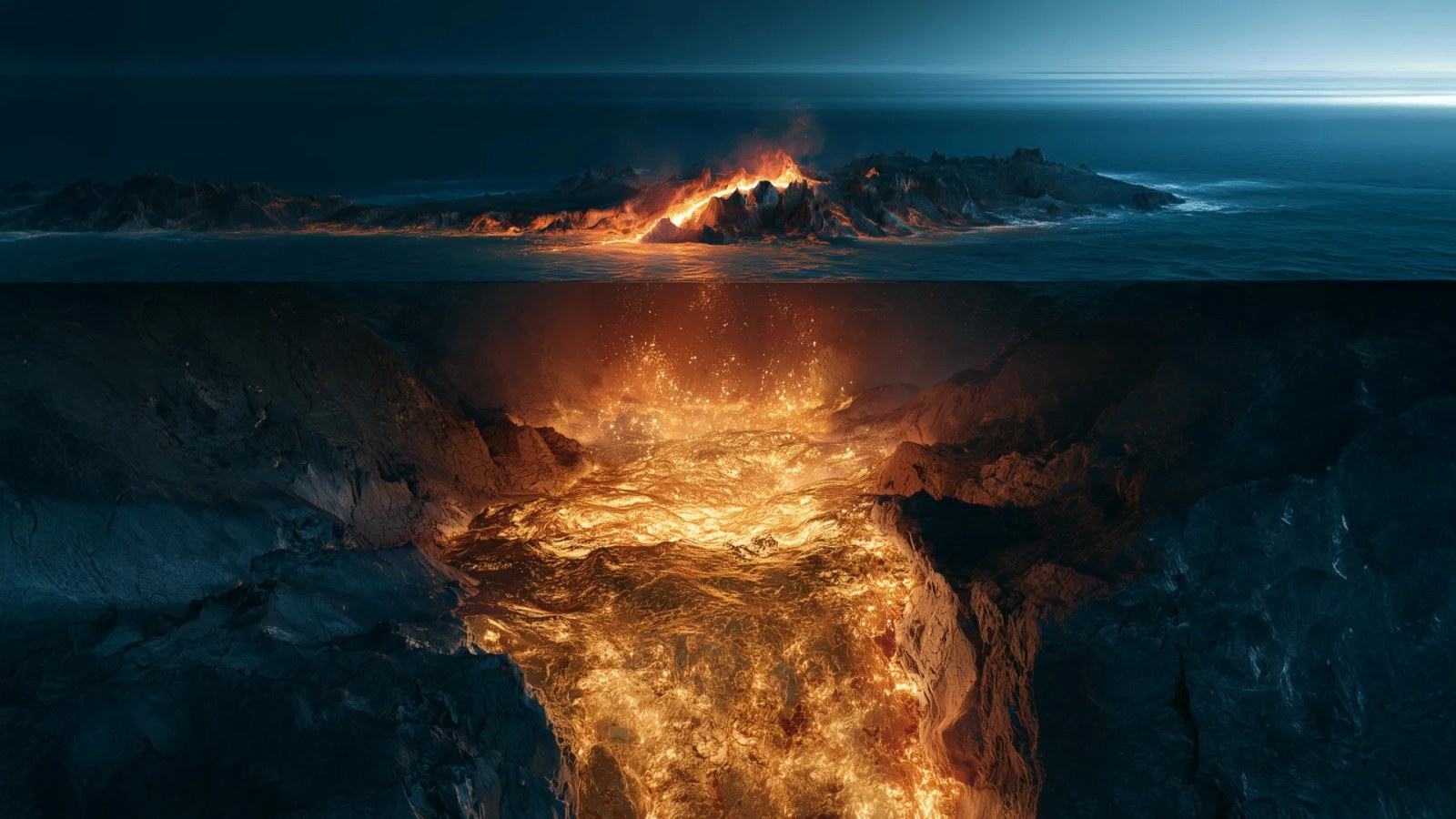
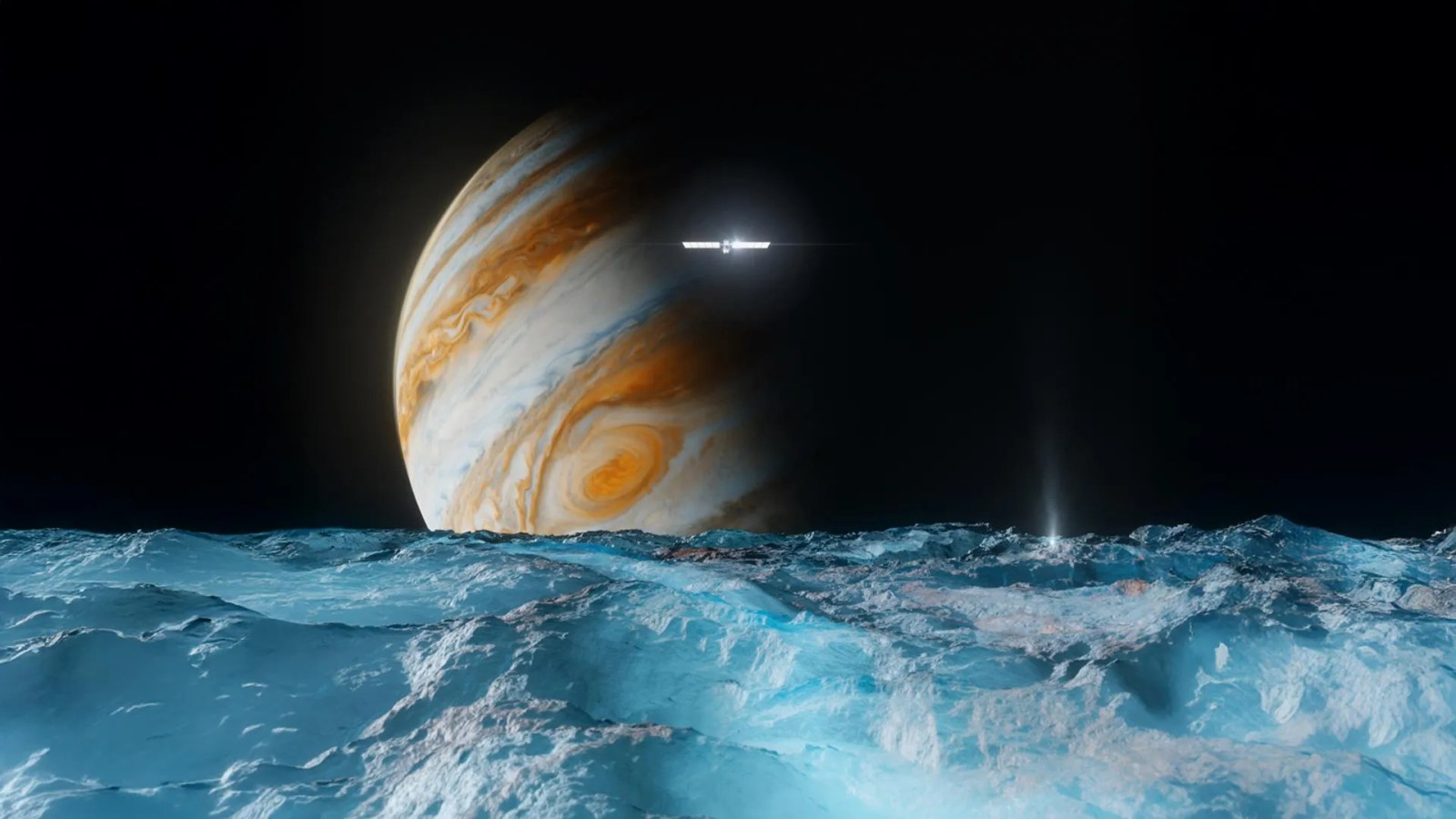
Europa has long drawn interest from scientists because a global ocean of liquid water may lie beneath its frozen outer shell, making the moon one of the most promising places to look for conditions that could support life.
But new research led by Rutgers scientist Lujendra Ojha suggests water from that deep ocean may not easily move upward through fractures in the ice, according to ScienceDaily. The study, published in Nature Astronomy, used computer simulations to test whether ocean water could rise into shallow underground pockets without freezing first.
The team found that the journey is likely far more difficult than earlier models suggested. Ojha said the simulations showed rising water would cool quickly because of turbulence, and that supercooled liquid could form frazil ice crystals that may clog fractures within hours.
The findings could affect how scientists interpret future discoveries on Europa. If spacecraft find shallow liquid reservoirs, those pockets may have formed from local melting in the ice shell rather than water from the buried ocean, according to the study.
The research comes as NASA's Europa Clipper and the European Space Agency's JUICE mission travel toward the Jupiter system. Together, the missions are expected to help scientists better understand Europa's ice shell, surface chemistry and any subsurface water.