
New research reported by ScienceDaily suggests that cancer may be damaging its own DNA by pushing certain genes to work at unusually high levels. The study points to powerful DNA control regions called super-enhancers as a driver of that intense activity.
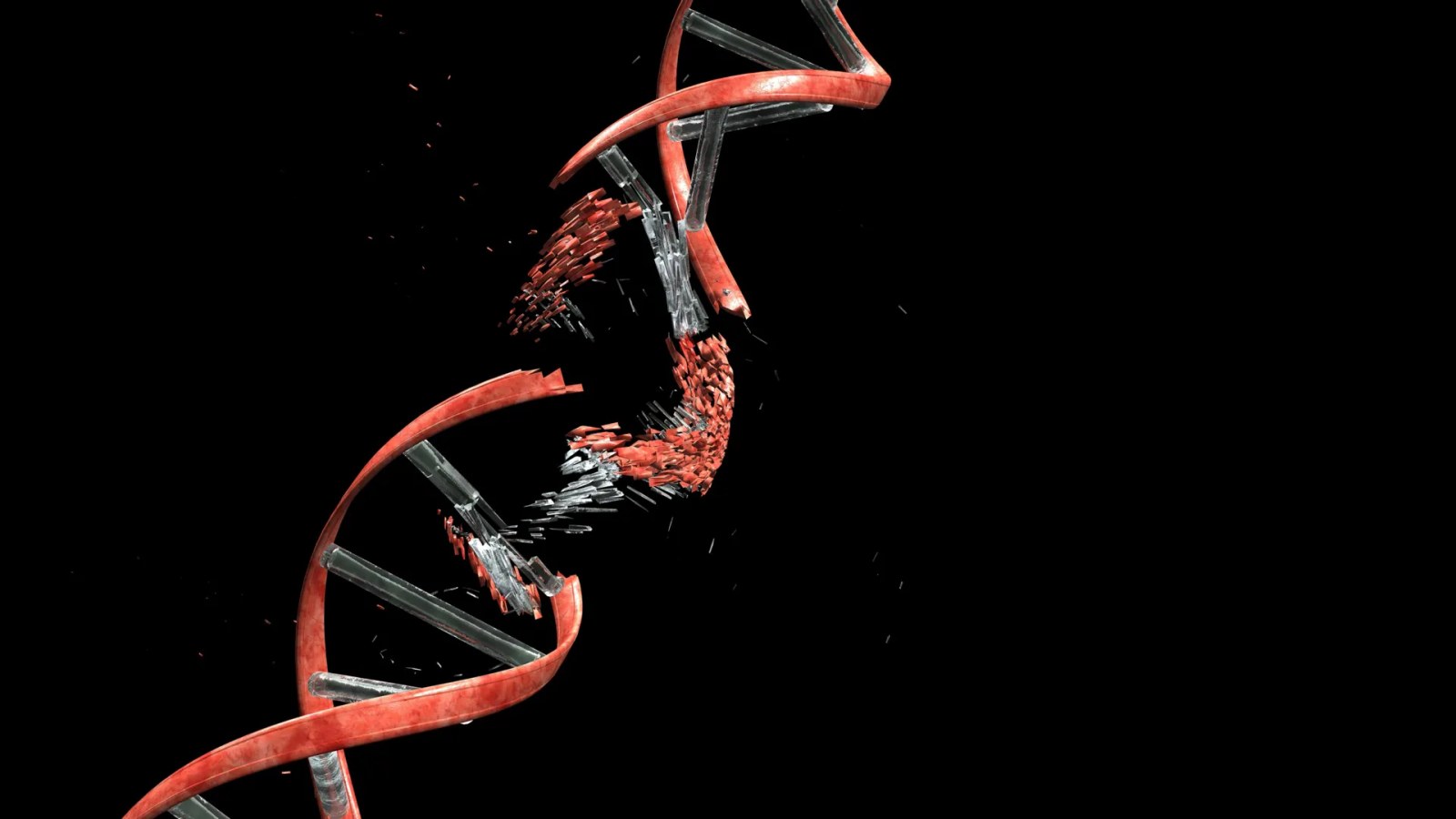
According to the researchers, the overworked DNA in these regions can suffer serious breaks, including double-strand breaks in which both strands are severed. The damage was not spread randomly across the genome; instead, it tended to cluster in genes controlled by super-enhancers.
The work was led by PhD student Osama Hidmi under the supervision of Prof. Rami Aqeilan of the Hebrew University of Jerusalem and published in Science Advances. The team found that cancer cells repeatedly damage and repair DNA in these high-activity areas, which may help tumors survive while also creating opportunities for mutations to build up.
Scientists said that accumulation of those mutations could help cancers adapt, spread, and become less responsive to treatment. The findings also suggest that the same high-stress regions tumors depend on for growth may be potential targets for future therapies.