
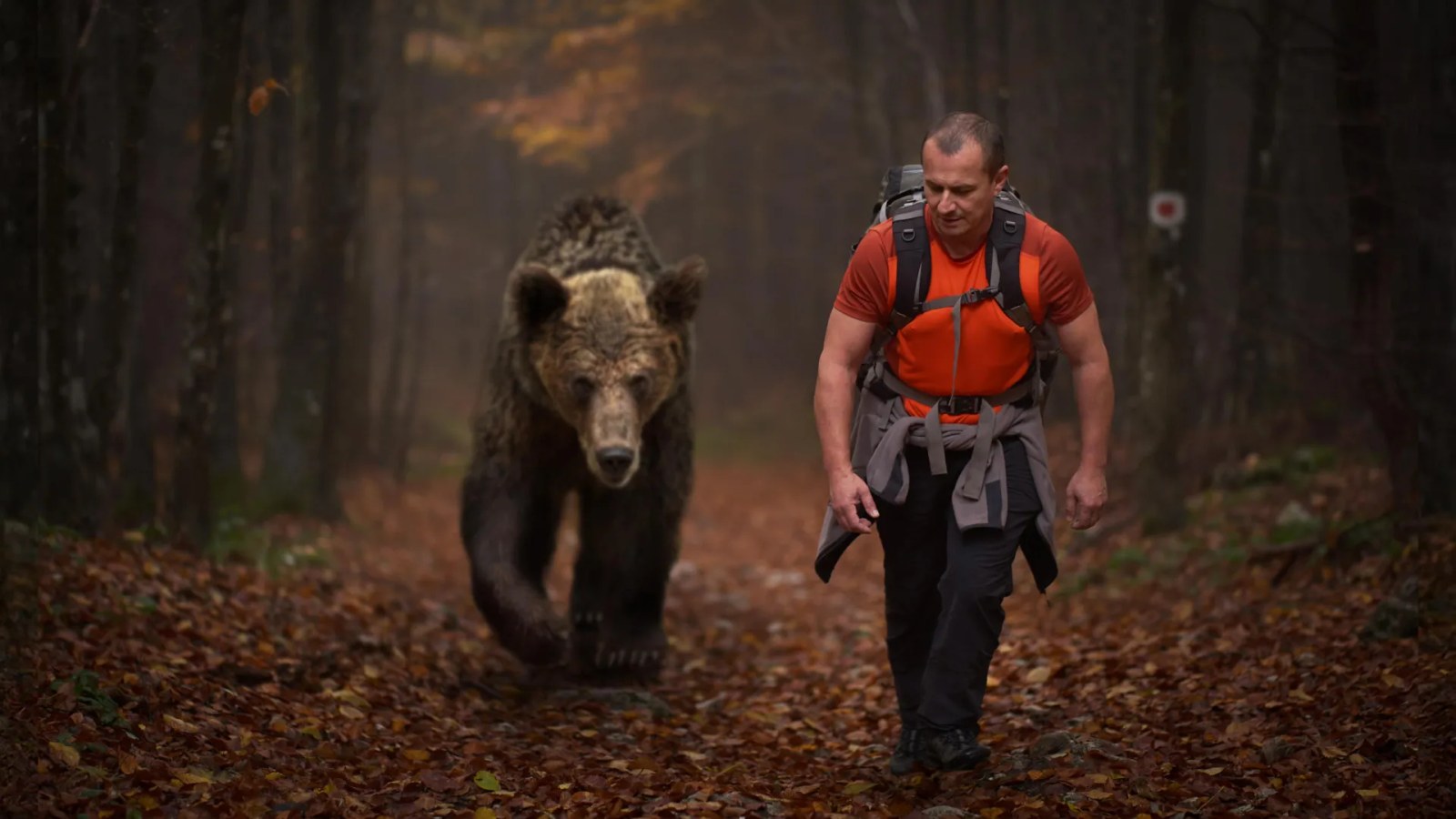
Humans are often described as super-predators because of the scale of hunting, trapping and fishing, but new research suggests wildlife does not always respond to people as if they are the same kind of threat.
According to ScienceDaily, a study led by the Centre for Ecological Sciences at the Indian Institute of Science found that animals are most likely to show fear when humans pose a direct lethal danger, such as through hunting or fishing. In those situations, wildlife tends to become more vigilant and spend less time feeding.
The meta-analysis, published in Ecology Letters, brought together three decades of research on how wild animals change their behavior around humans. The researchers looked at feeding, vigilance and movement across many species and ecosystems to see whether all human presence is viewed as equally dangerous.
Lead author Shawn D'Souza said the findings show that non-lethal human activity, including tourism and research, produces weaker and more variable responses. The study also found that roads and settlements sometimes made animals less watchful, which the researchers said may happen because predators avoid those areas or because open spaces near roads can attract some grazers.
The authors say the results support the risk allocation hypothesis, which suggests animals adjust their behavior based on how severe and predictable a threat appears. They added that more research is needed to better predict how different species respond in different environments and how those reactions may affect wildlife management.