
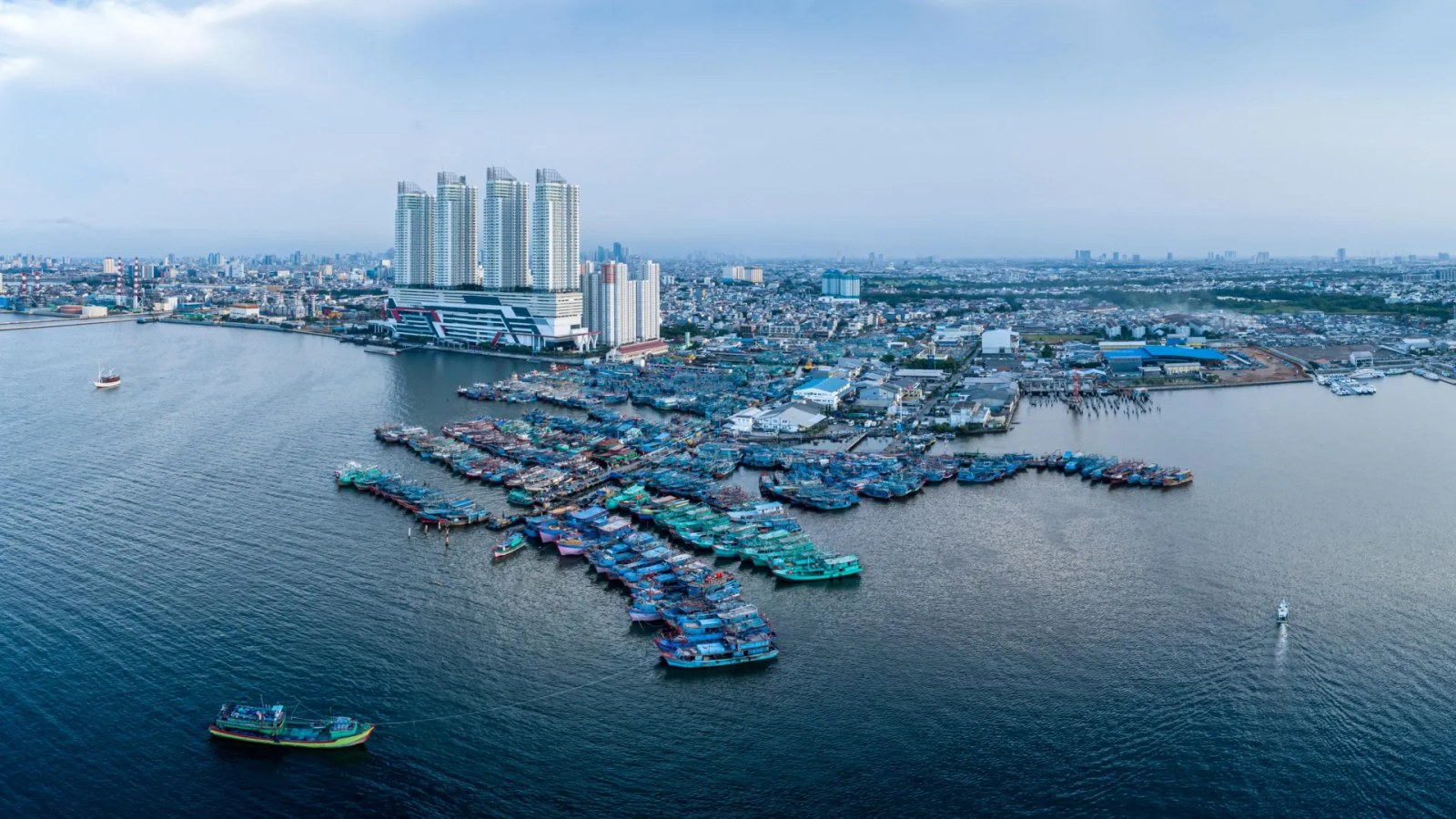
Coastal communities are facing a growing flood threat from two directions, according to ScienceDaily. While ocean levels are rising, the ground beneath many populated coastal areas is also sinking.
Researchers from the Technical University of Munich and Tulane University found that this land subsidence is significantly increasing the sea level rise experienced by millions of residents. In a study published in Nature Communications, the team reported that people in heavily populated coastal regions are seeing an average relative sea level rise of about 6 millimeters per year.
That figure is nearly three times the coastline-weighted global average of 2.1 millimeters per year and almost twice the climate-driven absolute sea level rise of about 3.15 millimeters per year. The researchers said sinking land is the main reason for the difference, with groundwater pumping, oil and gas extraction, sediment compression, urban growth, and natural geological processes all playing a role.
The study highlighted Thailand, Bangladesh, Nigeria, Egypt, China, and Indonesia as countries with some of the highest relative sea level rise. It also pointed to subsidence hot spots in cities including Jakarta, Tianjin, Bangkok, Lagos, and Alexandria, while noting that places such as Sweden and Finland are seeing the opposite effect because the land is still rising after the last Ice Age.
Researchers said local policy choices can help slow subsidence, especially in areas where groundwater extraction is a major factor. They pointed to examples such as Tokyo and the Harris-Galveston region of Texas, where regulation and alternative water supplies helped reduce sinking rates.