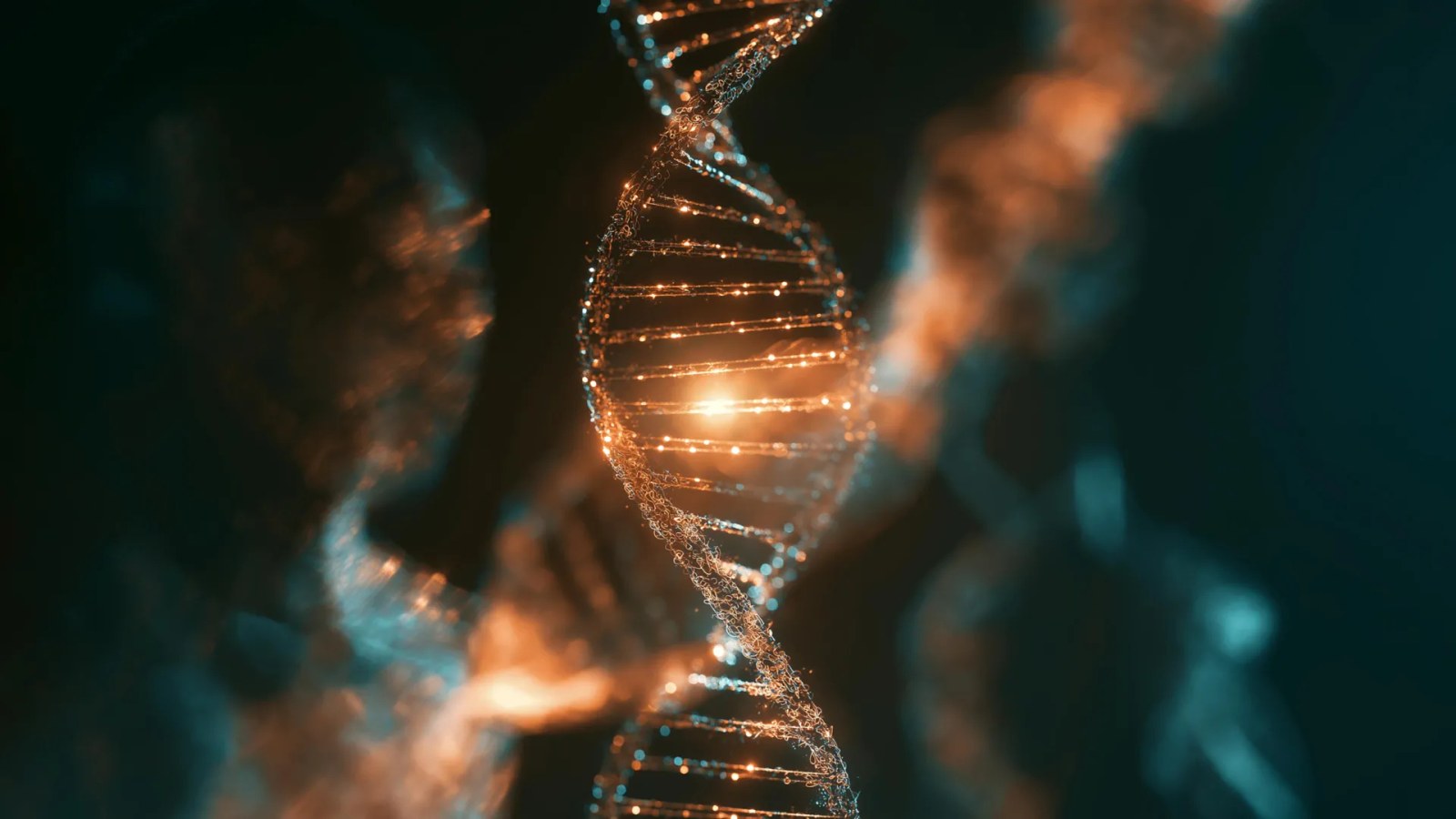
Scientists at UC Berkeley say they have found evidence of two previously unknown archaic human relatives in the DNA of people living today, according to ScienceDaily. The discovery adds to the genetic legacy already known from Neanderthals and Denisovans.
Using a new method called TRACE, the researchers analyzed hundreds of present-day human genomes and reconstructed ancient family relationships among DNA segments. That approach allowed them to identify regions of modern human DNA that appear to have come from extinct human lineages, even without ancient DNA from those groups.
One of the unidentified groups, which the researchers describe as a ghost ancestor, mixed with modern humans in Africa more than 50,000 years ago. The team estimates that DNA from this lineage makes up about 1% of the modern human genome, and that the lineage split from modern human ancestors around 800,000 years ago.
The researchers also reported signs of a more ancient population they call a super-archaic ancestor. According to the study, that lineage diverged about 1.8 million years ago and appears to have interbred with Denisovans in Eurasia more than 200,000 years ago, with some of that DNA later entering modern human genomes through Denisovans. The findings were published online July 30 in the journal Science.