
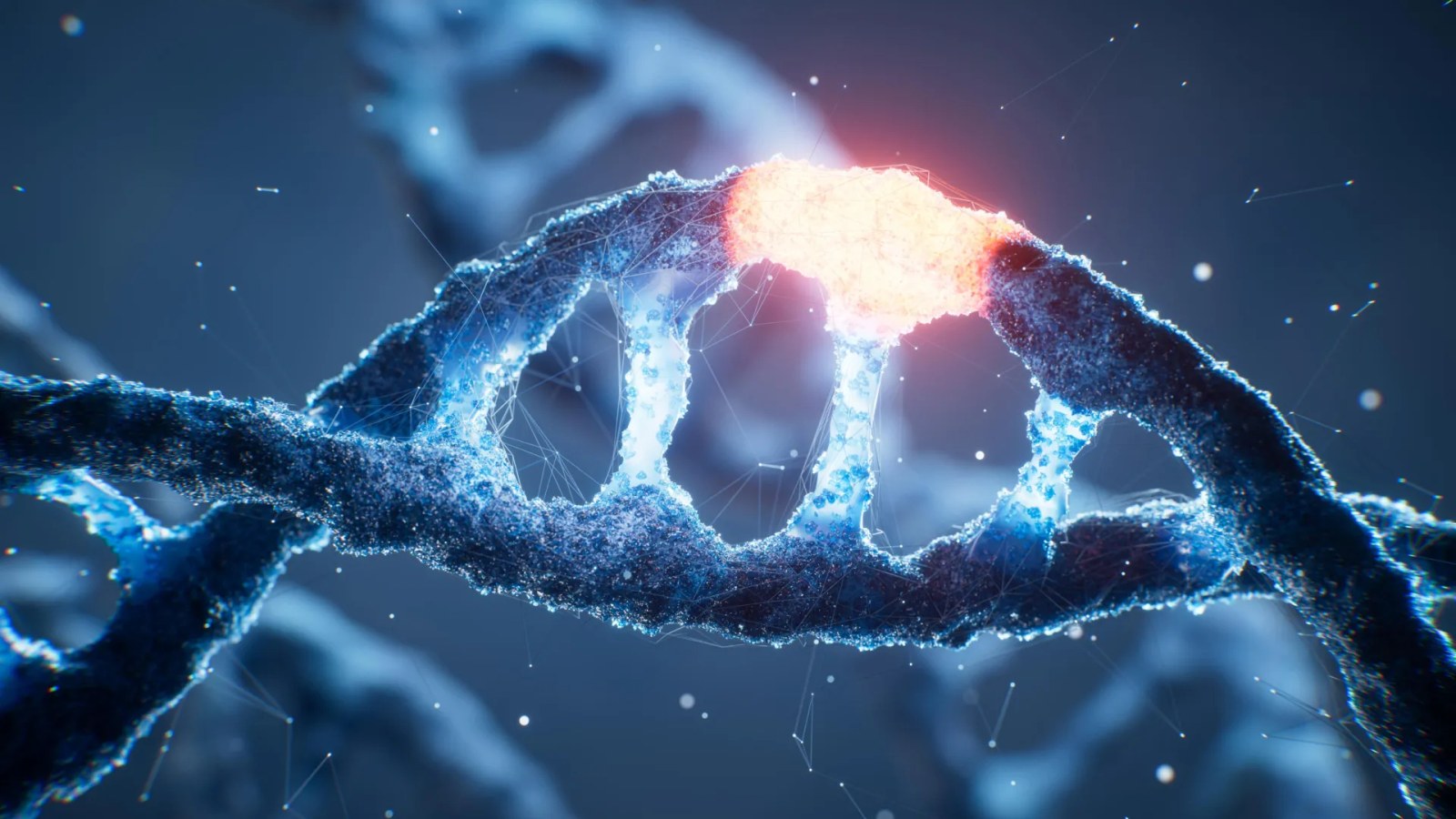
Scientists at the University of California San Diego say they have decoded a hidden DNA element that helps control when genes turn on. According to ScienceDaily, the work focused on a sequence known as the initiator, which marks where a gene’s information begins to be converted into a functional product.
In the study, led by graduate student researcher Torrey Rhyne-Carrigg in the lab of Professor James T. Kadonaga, the team tested about 500,000 versions of the initiator using high-throughput DNA sequencing. They then used the results to train a machine learning system to recognize the DNA pattern linked to this element.
Once the model identified the signature, the researchers searched human genes and found that roughly 60% contain the initiator, according to the report. Kadonaga said the AI models were able, for the first time, to make strong predictions about whether the initiator was present in human genes.
The findings could help researchers predict how mutations in the initiator may affect gene activity and contribute to disease. The data and AI models may also aid in the design of synthetic promoters, which can be used to switch genes on or off for specific purposes.