
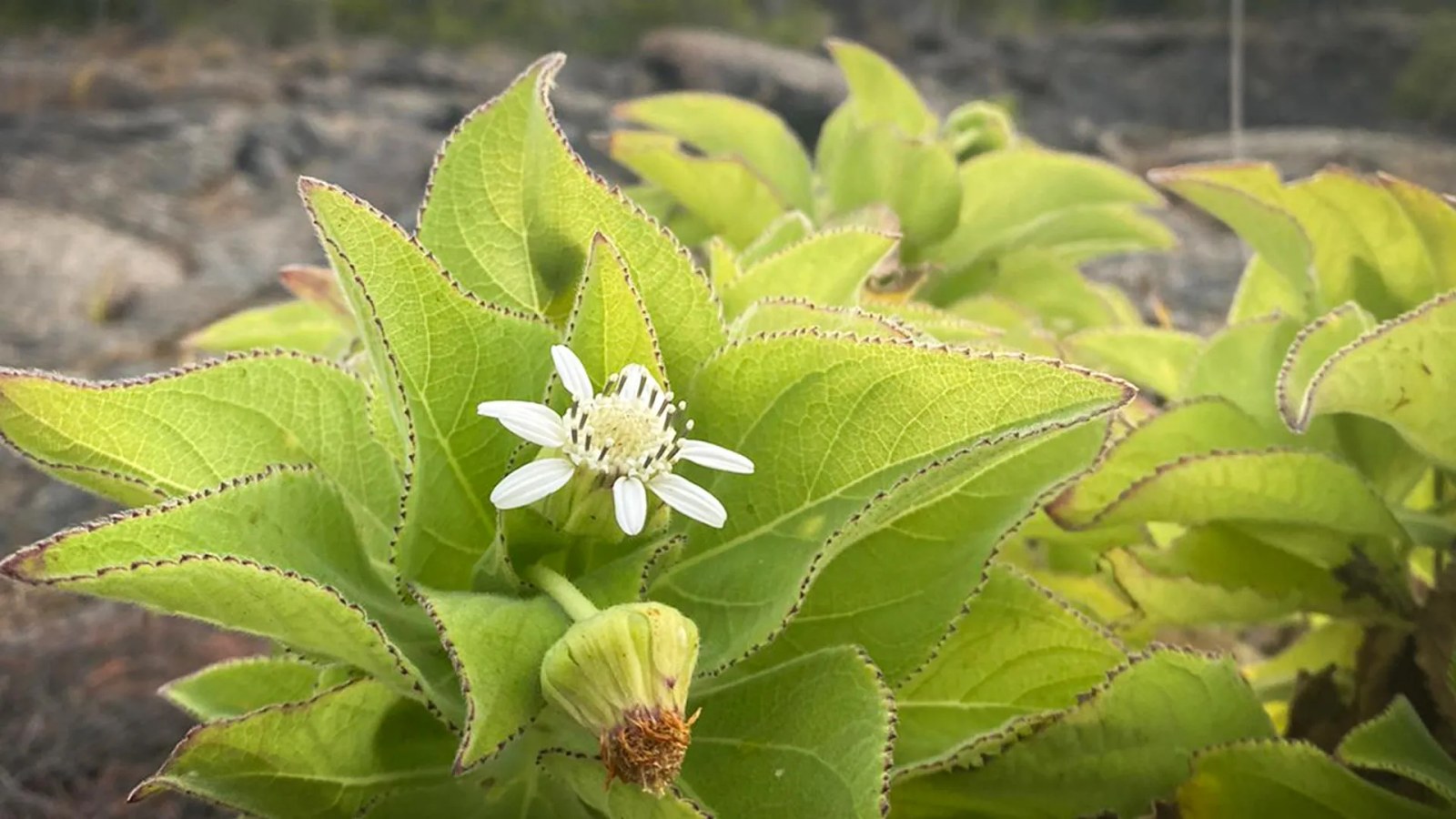
The Galápagos Islands have long played a central role in the study of evolution, and a new study suggests the same processes seen in Darwin’s finches are also at work in native plants. According to ScienceDaily, researchers examined Scalesia, the group of plants known as Galápagos giant daisies.
The team found that some Scalesia species developed deeply lobed leaves more than once across separate branches of the plant family tree. Those leaves may help the plants cope with hot, dry conditions by reducing water loss and helping release heat.
What surprised the scientists was that the same trait appeared to arise through different genes each time, even though those genes were part of the same system controlling leaf development. The researchers said this is a clear example of parallel evolution, where similar solutions emerge independently through different genetic paths.
According to the study, every Scalesia species living today evolved within the past million years, and some populations may now be in the process of forming new species. The researchers also said isolated populations should be considered separately for conservation purposes, since they may be following distinct evolutionary paths.