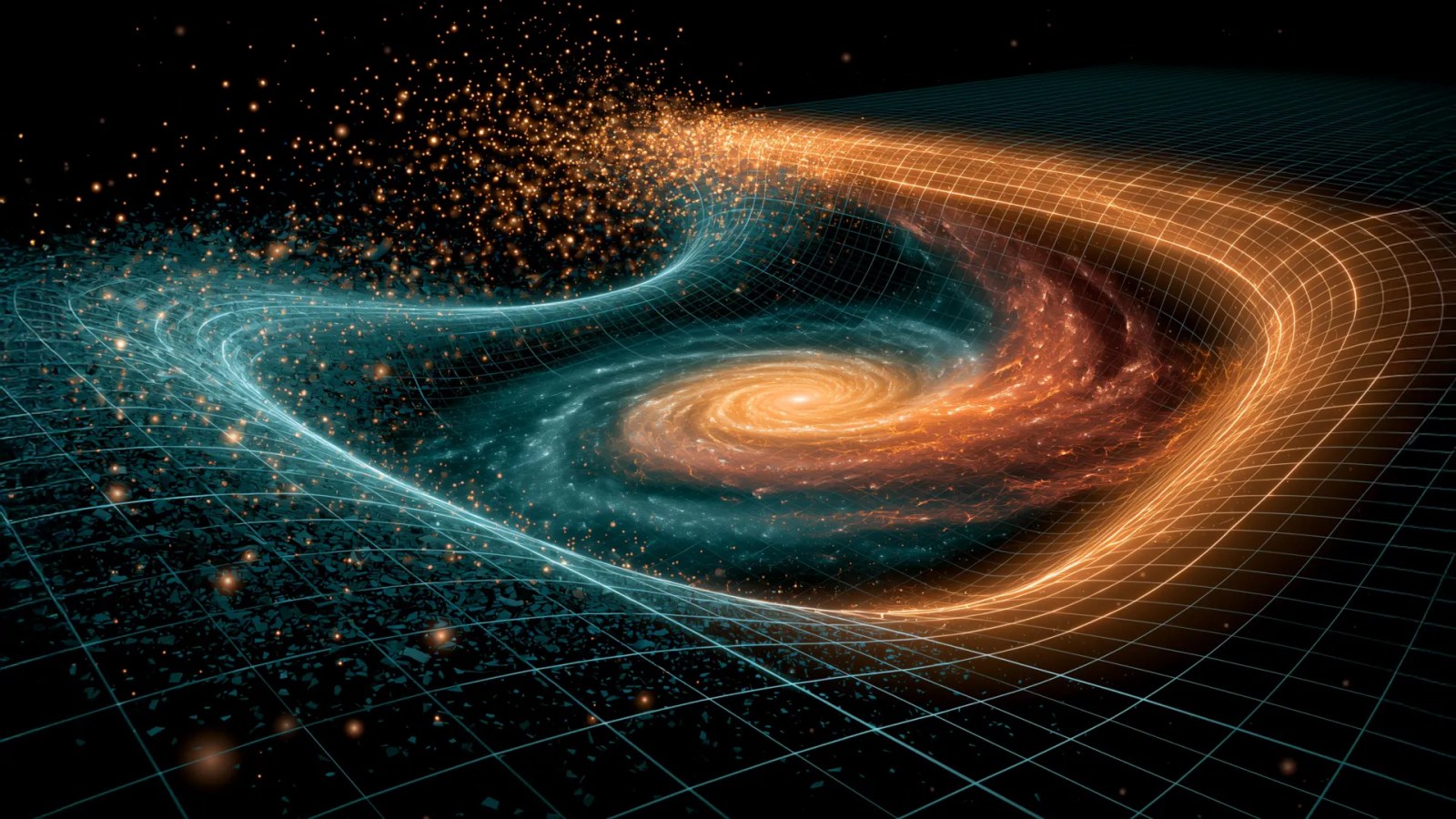
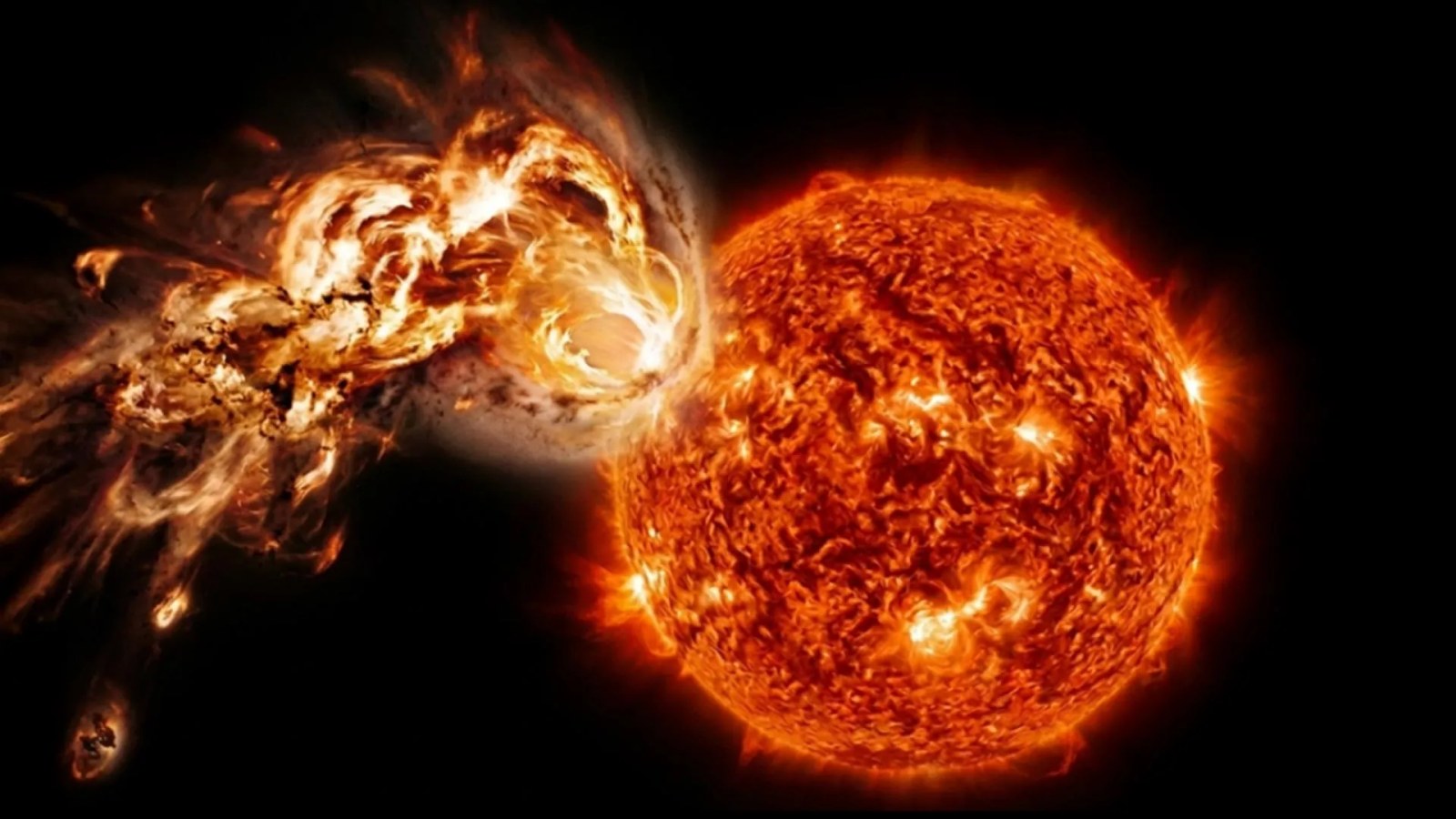
When stars like our Sun run out of fuel, they swell into red giants and eventually leave behind white dwarfs. A new model from Caltech theoretical astrophysicist Jim Fuller suggests that this transition may involve a series of small, uneven pushes as material escapes from the star.
According to ScienceDaily, Fuller says blobs of matter can be ejected asymmetrically from the surface of these bloated stars, giving the star a slight kick in the opposite direction each time. Over hundreds of thousands of years, he estimates that a star could receive about 10,000 of these tiny nudges.
Individually, the kicks would be very small, moving the star only a few meters per second. But because the pushes would not cancel out perfectly, Fuller says they could add up through a random-walk process and leave the dying star drifting at roughly 1 kilometer per second.
The model may help explain observations from Caltech astronomer Kareem El-Badry, who found that wide binary star pairs are less common after one member becomes a white dwarf. Fuller says a kick around that size could be enough to disrupt a loosely bound pair and separate the stars.
Fuller presented the findings at the 248th meeting of the American Astronomical Society in Pasadena, and the study has been submitted for publication in the Publications of the Astronomical Society of the Pacific. The work also predicts that in some binary systems, repeated kicks could alter an orbit enough to cause a collision between the stars.