
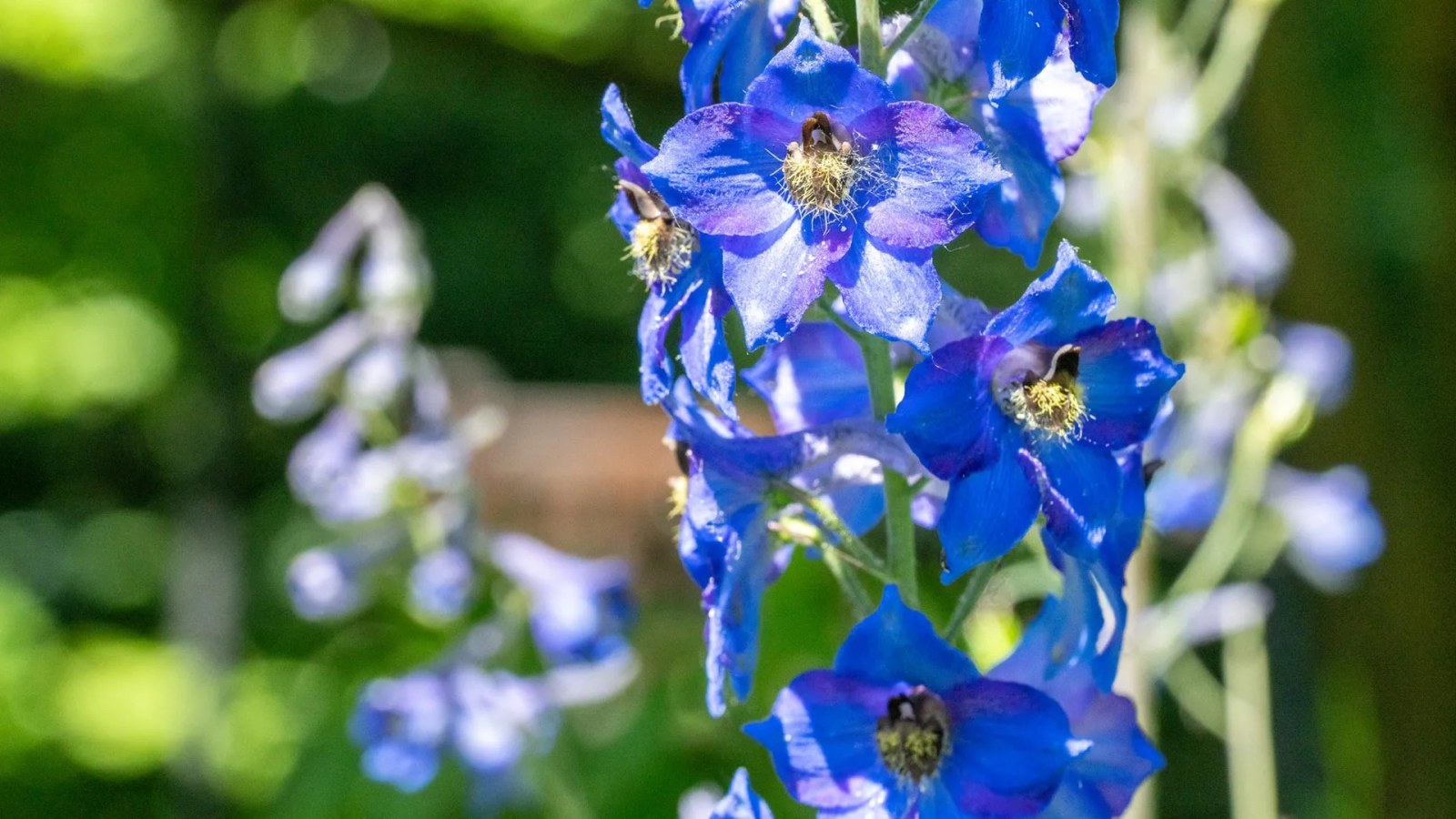
Two plants known for causing nerve damage and paralysis at very low doses may also offer compounds useful in medicine, according to ScienceDaily. Researchers say wolfsbane and larkspur could help point the way toward new treatments for pain, malaria, cancer and even agricultural pests.
The study brought together scientists from Michigan State University and the Czech Academy of Sciences, and the findings were published in the journal Molecular Plant. Researchers focused on a group of toxic plant chemicals called diterpenoid alkaloids, which have long been difficult to understand and even harder to recreate in a lab.
To trace how the plants make those compounds, the team examined several species and looked for genes that turned on in the right tissues at the right time. They then moved a set of promising genes into tobacco plants to see whether the chemical pathway could be reproduced.
According to the researchers, the modified tobacco plants successfully assembled the pathway and produced atisinium, a diterpenoid alkaloid. By identifying the first steps in that process, the team says it has created a starting point for studying the broader family of compounds and their possible medical uses.