August will be packed with major celestial events, including a solar eclipse, the peak of the Perseid meteor shower, Venus at its brightest evening appearance, and a partial lunar eclipse, according to ScienceDaily and materials from NASA’s Jet Propulsion Laboratory.
On Aug. 12, a total solar eclipse will move across northern Russia, Greenland, Iceland, northern Spain and a small part of Portugal. A partial eclipse will also be visible from parts of the United States, including locations stretching from Alaska to North Carolina.
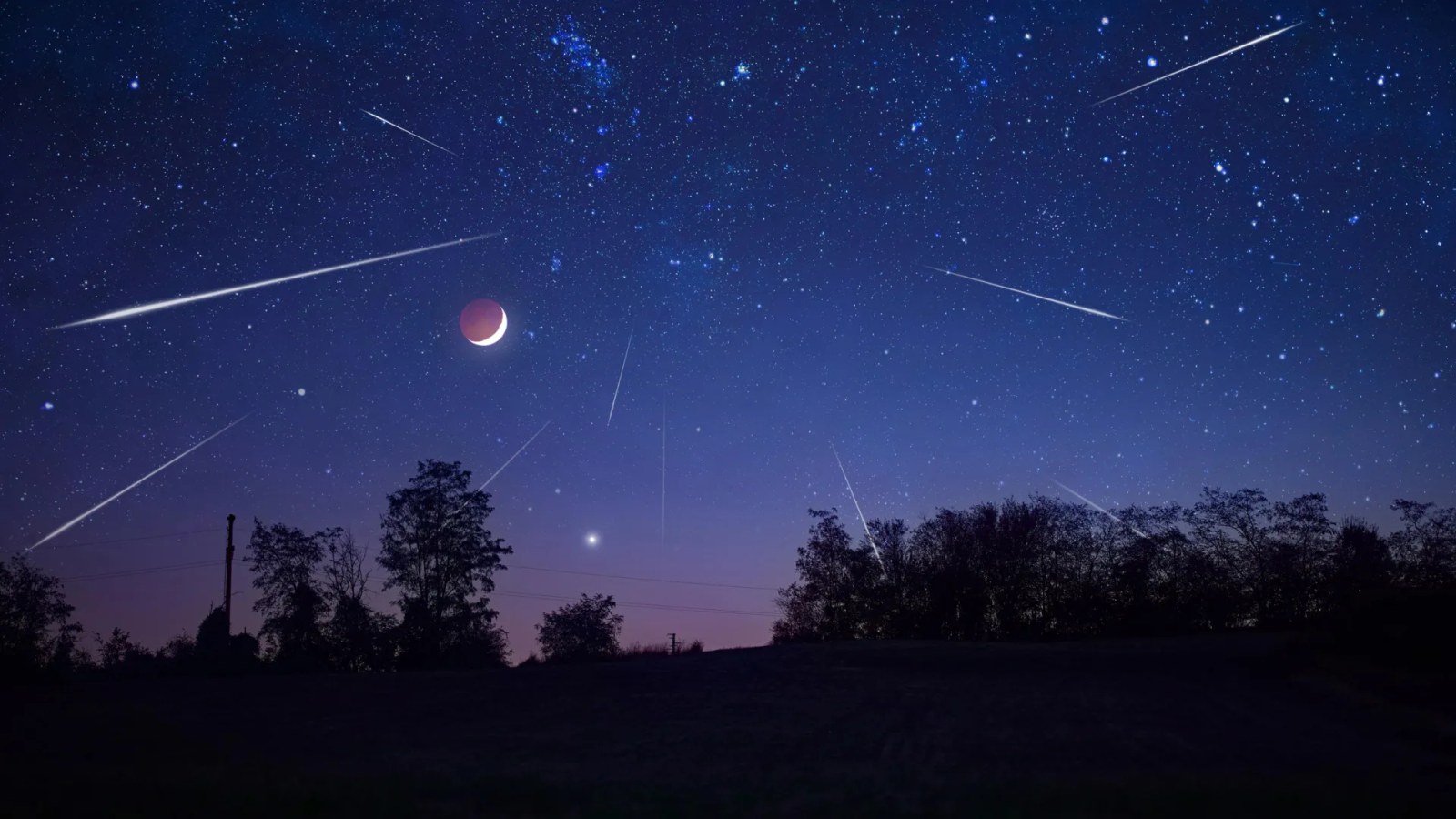
The Perseid meteor shower reaches its peak on Aug. 12 and 13, and the timing of the New Moon on Aug. 12 means darker skies for viewing. The shower is caused by Earth passing through debris left behind by Comet Swift-Tuttle.
Venus will reach its greatest eastern elongation from Aug. 14 through 16, making it easy to spot low in the western sky after sunset. Then on Aug. 27 and 28, a partial lunar eclipse will be visible across much of North and South America, along with parts of Europe and Africa.