
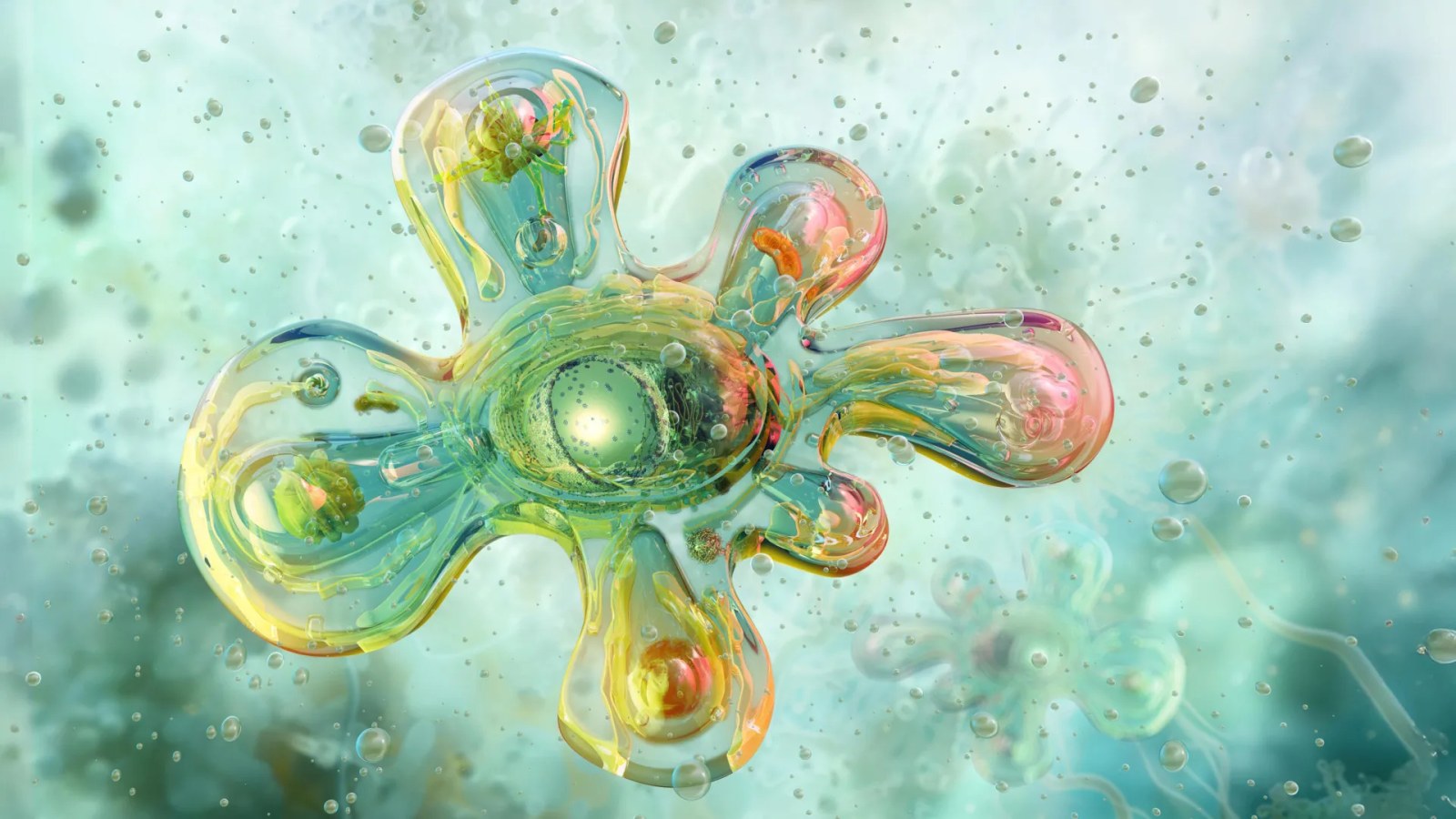
Scientists are working to better understand when the first eukaryotes emerged on Earth and how they helped open the door to complex life, according to ScienceDaily. Eukaryotes are cells with a nucleus and organelles, and every animal, plant and fungus today is made up of them.
Ross Anderson, a paleontologist at the University of Oxford, says life began on Earth more than 3.5 billion years ago, with eukaryotes appearing by at least 1.7 billion years ago. He says researchers need to look back to about 1.6 billion years ago to approach the common ancestor shared by the plant and animal kingdoms.
Finding the earliest ancestors of eukaryotes is difficult because fossils older than 500 million years usually lack shells or skeletons, leaving scientists to rely on rare places where delicate cells and tissues may have been preserved. Anderson studies ancient rock chemistry to identify environments that may have protected those remains.
Researchers are focusing on sites such as a region near Svalbard, Norway, as well as evidence from Australia, where some of the oldest known eukaryotic microfossils were found last year and dated to about 1.75 billion years ago. Anderson says the work could also help astrobiologists understand which environments on other worlds might preserve signs of life.