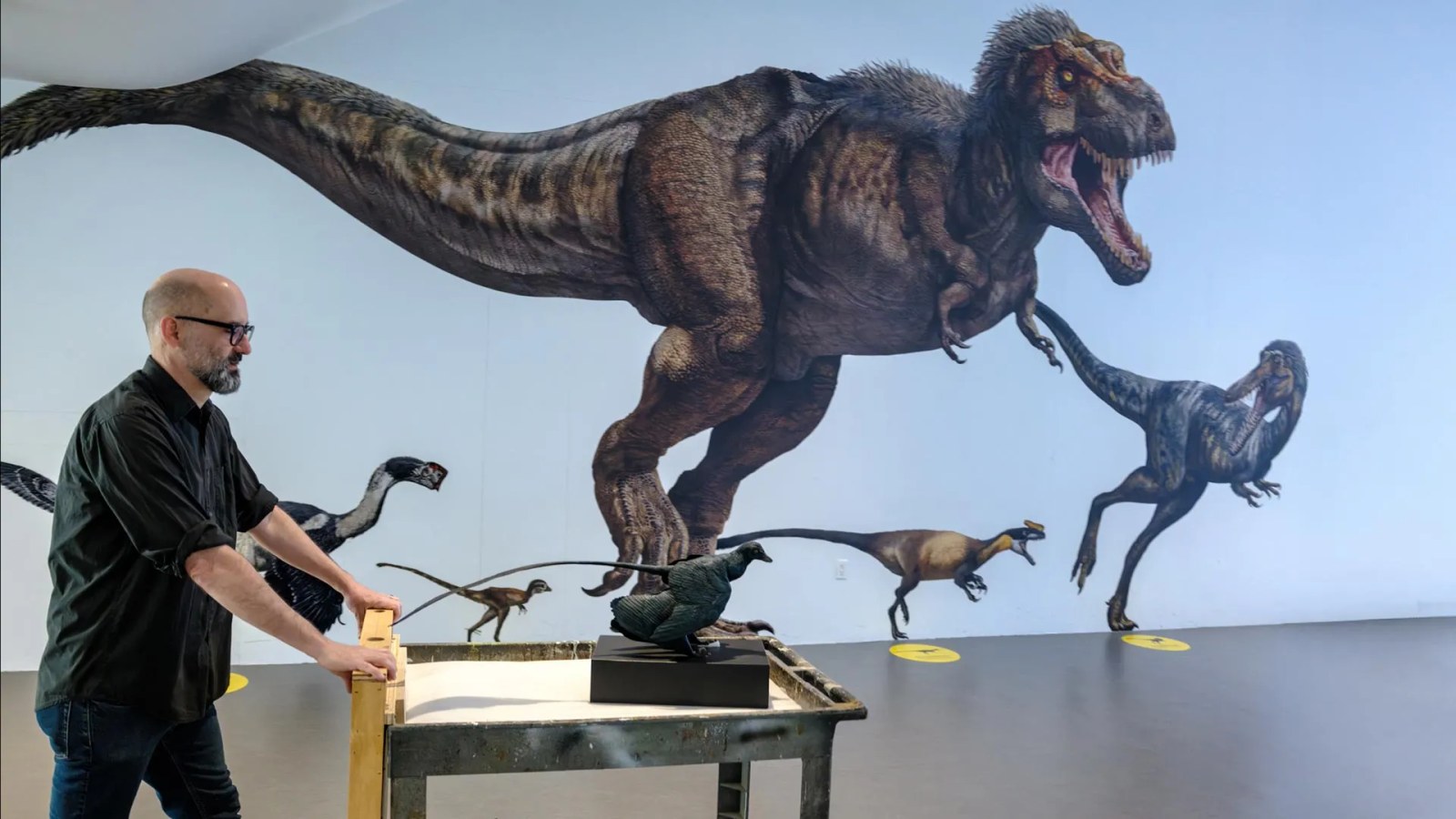
Dinosaurs are best known for their enormous size, but a new study is focused on the other end of the scale: why they apparently never evolved into truly tiny animals. According to ScienceDaily, researchers from the American Museum of Natural History and Princeton University explored body size evolution in vertebrates using mathematical models.
The study, published in the journal Evolution, found that energy use and physiology can explain the body sizes seen in mammals, birds, and turtles. But those same factors do not explain why the smallest dinosaurs outside the bird lineage were still relatively large.
Instead, the researchers suggest that ecology may have set a lower limit on dinosaur size. They propose that competition from early small mammals may have kept dinosaurs out of the mouse-sized and sparrow-sized niches occupied by many modern animals.
Lead author Stephanie Lechki said that tiny dinosaurs may be missing from the fossil record because they were rare or may not have existed at all. The researchers also suggest that birds later escaped those limits when powered flight opened up new ecological opportunities, allowing them to evolve much smaller body sizes than other dinosaurs.