A new Stanford-led study is offering the strongest evidence yet for why some marine animals survived Earth’s largest mass extinction while others disappeared, according to ScienceDaily.
The research focuses on the Permian-Triassic extinction event about 252 million years ago, often called the “Great Dying,” when roughly 96% of marine species and 70% of land animals were wiped out. The study says the losses were not evenly spread across different groups of marine life.
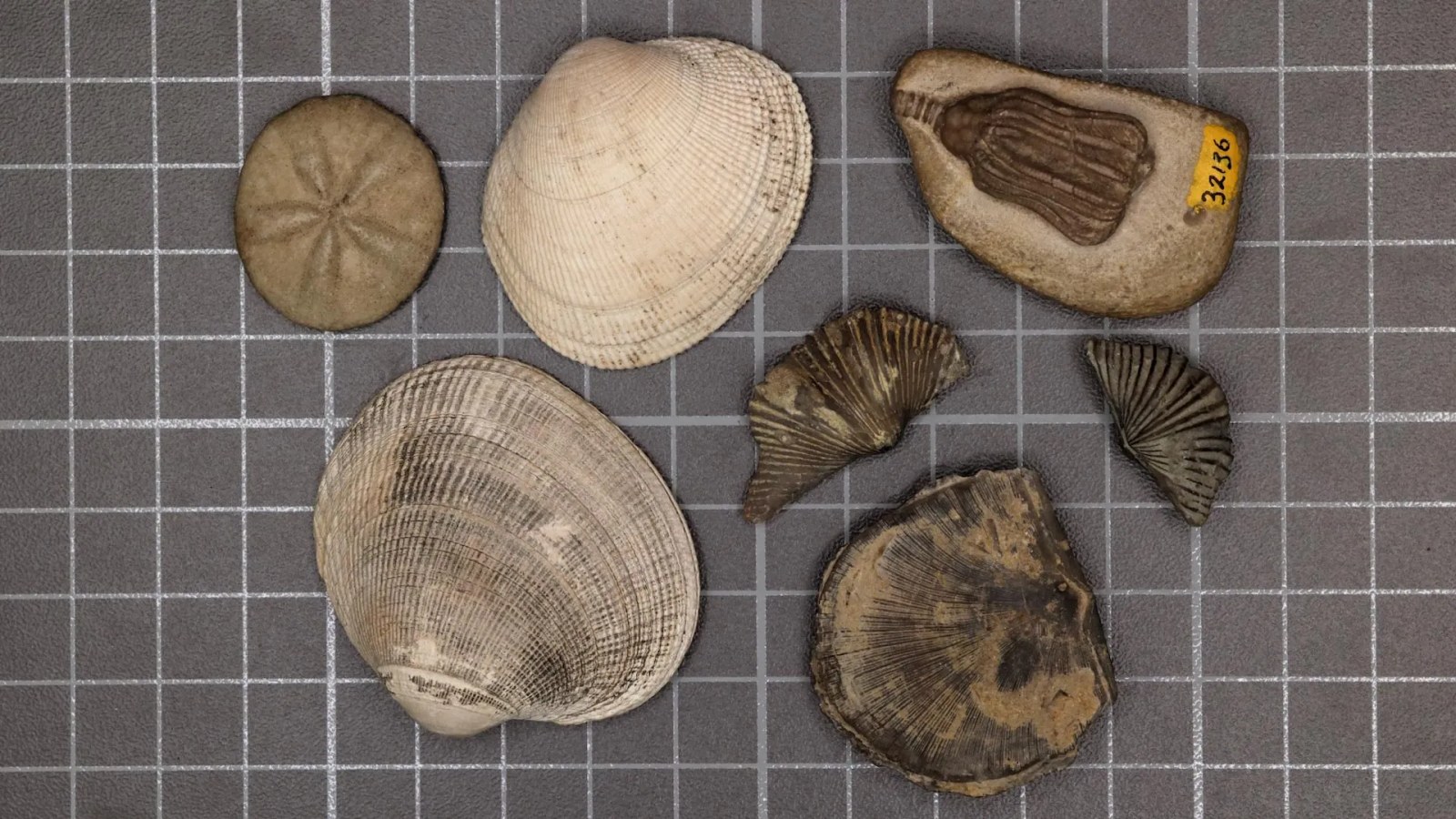
Before the extinction, the seafloor was dominated by brachiopods, sea lilies and other bottom-dwelling animals. Afterward, those groups were nearly eliminated, while mollusks such as clams and snails were hit less severely and later became more dominant alongside fish and echinoderms like starfish and sea urchins.
Published July 6 in the Proceedings of the National Academy of Sciences, the study combines biological data from both extinct and surviving groups. The researchers found that species with metabolisms less able to handle warmer, low-oxygen water were the most vulnerable, conditions that developed after massive volcanic eruptions released large amounts of carbon dioxide and methane.
Lead author Jose Andres Marquez and senior author Erik Anders Sperling said the findings may also help explain how modern ocean ecosystems formed and could offer insight into what warming oceans may mean for marine life today.