
Researchers at the Helmholtz-Zentrum Dresden-Rossendorf, or HZDR, are testing two methods aimed at destroying PFAS, the industrial chemicals often called “forever chemicals” because they resist normal breakdown, according to ScienceDaily.
The first method uses hydrodynamic cavitation, which creates tiny vapor bubbles in contaminated water that collapse with intense heat and reactive radicals. In tests focused on PFOS, the team found the process degraded about 37% of the dissolved molecules and steadily increased fluoride in the water, showing that fluorine was being separated from the compounds.
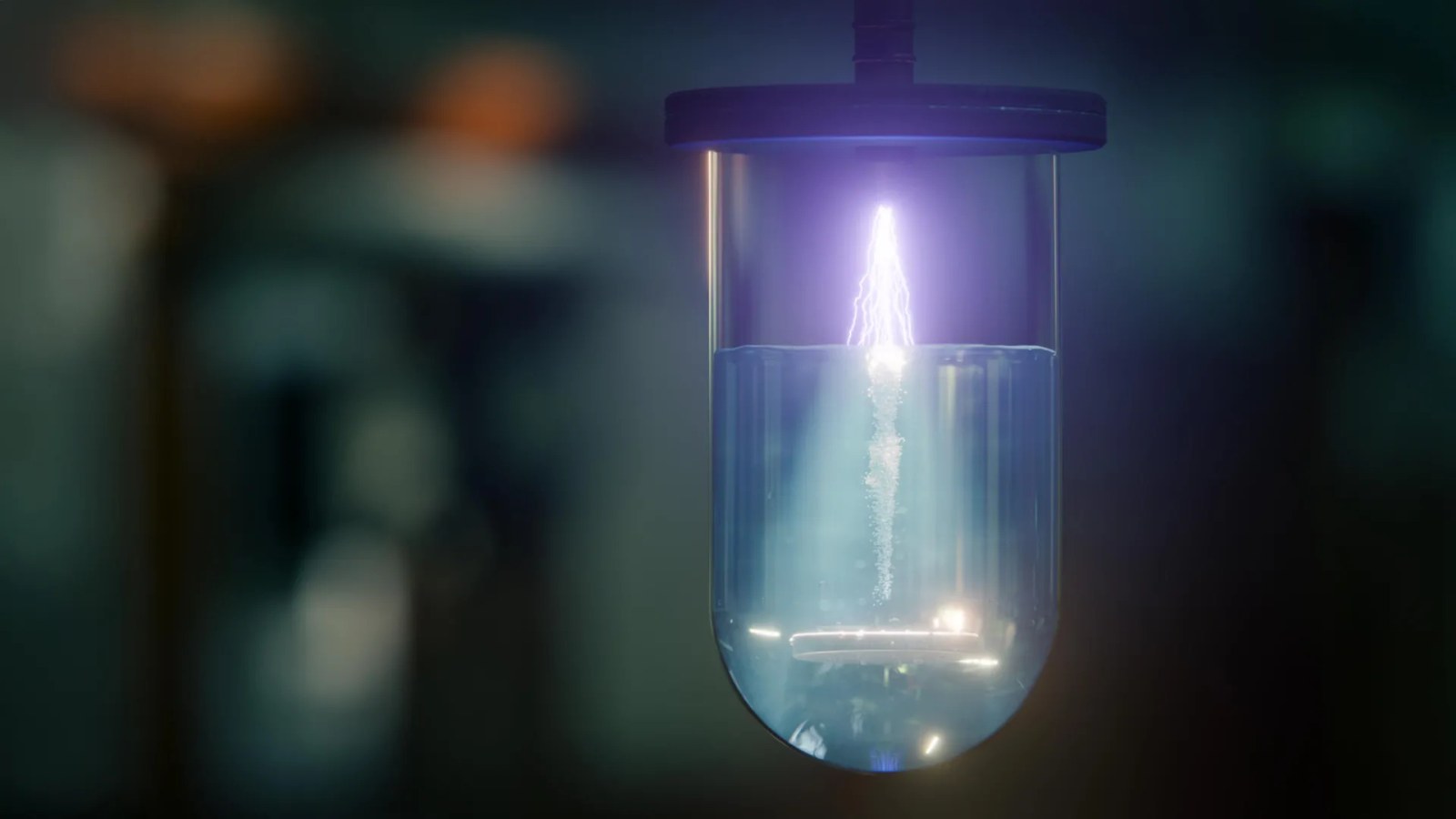
A separate experiment used cold atmospheric plasma combined with gas dispersion. That approach nearly completely degraded both long-chain and short-chain PFAS and converted about 35% of the bound fluorine into fluoride salts, but researchers said it used much more energy and created transformation products they still need to study.
According to HZDR, the work is part of Germany’s National Water Strategy and is meant to help industries treat contaminated wastewater before it reaches rivers, lakes, and oceans. The researchers are now working to scale up the plasma system and study whether combining it with cavitation could improve results.