
Scientists have identified what they say is the earliest known evidence of the structures that would eventually become spider fangs, based on a fossil dating back 518 million years, according to ScienceDaily.
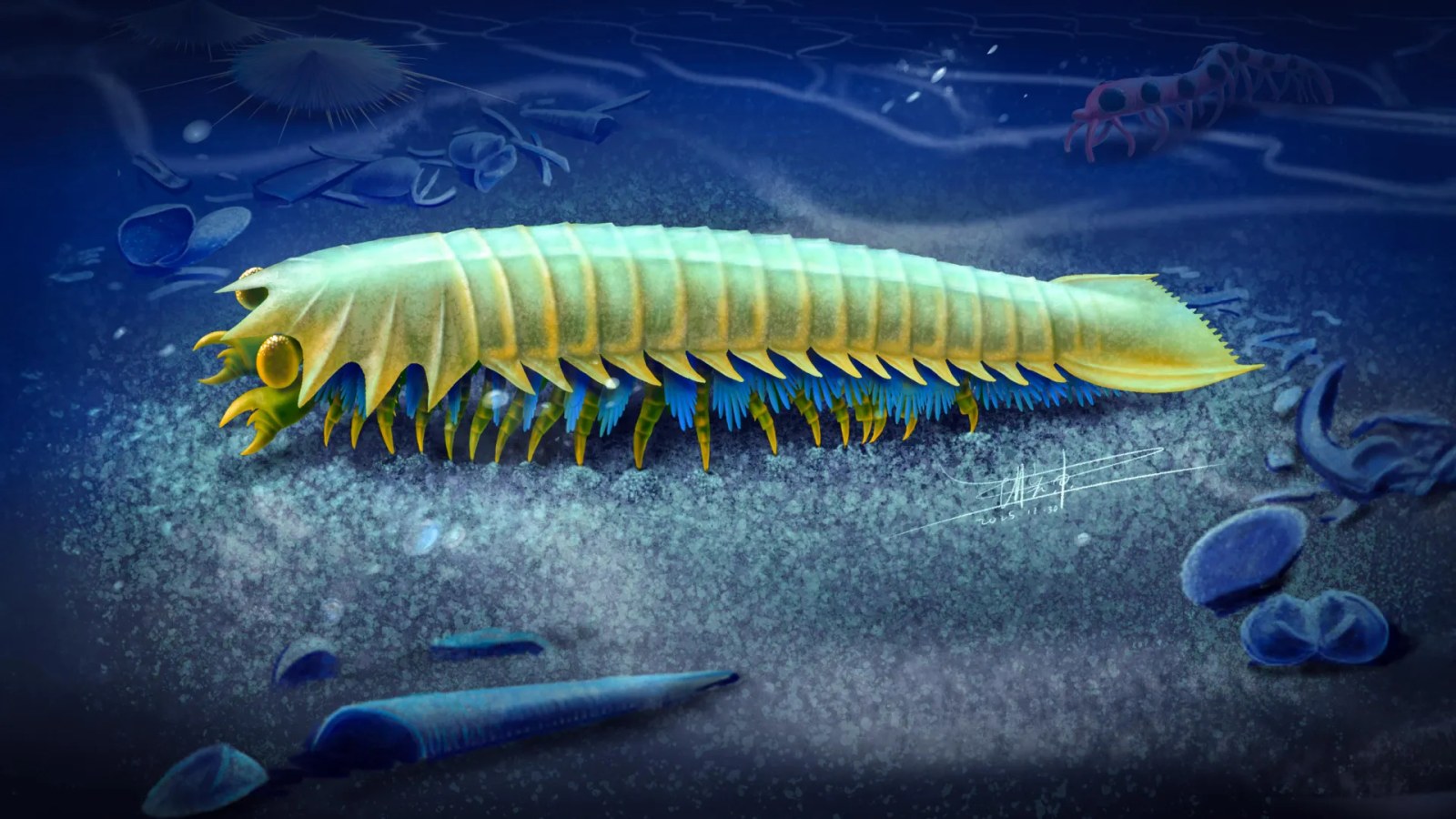
The discovery comes from Urokodia, a small marine creature from the early Cambrian Period. The research, led by scientists from Yunnan University and the University of Leicester, was published in Nature.
Urokodia fossils were found at the Chengjiang fossil site in Yunnan Province, China. Using X-ray tomography, researchers examined the rock around the fossil and found preserved soft anatomy, including two pincer-like appendages just behind the eyes.
Those appendages are considered an early form of chelicerae, the specialized front structures found in chelicerates such as spiders, scorpions and ticks. The fossil also showed possible book gill features on the legs, suggesting the animal may have breathed underwater.
According to the researchers, the find offers a rare look at how one of the most recognizable features of spiders began evolving hundreds of millions of years before modern spiders appeared.