
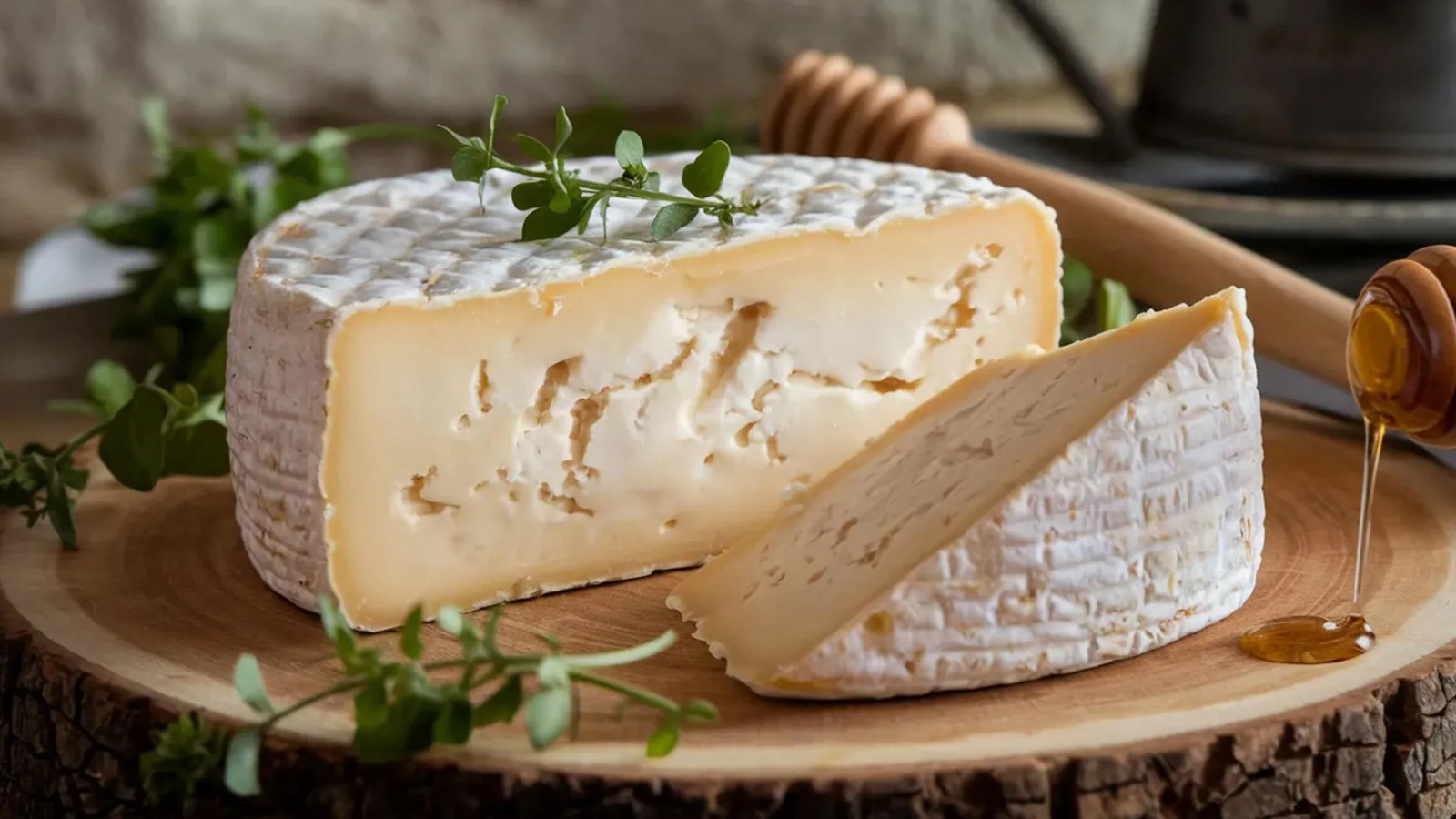
Scientists have identified bacteria linked to the flavor of three British artisan cheeses that may also have potential benefits for human health, according to ScienceDaily.
Researchers in the Food Microbial Sciences Unit at the University of Reading followed how the cheeses changed as they matured and analyzed both their microbial communities and chemical makeup. The study, published in ACS Food Science & Technology, focused on three cheeses made by Nettlebed Creamery in Oxfordshire: a soft white rind cheese, a washed rind semi-soft cheese and a semi-hard cheese aged in hay.
Lead author Sabrina Longley said the cheeses contain microbial life that could support gut health, and that the cheese matrix of fats and proteins may help protect the bacteria as they pass through the digestive tract. The study found bacteria with recognized probiotic potential in all three cheeses, including Streptococcus thermophilus and Lactococcus lactis, while two of the cheeses also contained Propionibacterium freudenreichii.
The researchers also found that the white mold Penicillium candidum in the soft cheese produces chitin, which may act as a prebiotic. In addition, the hay-aged cheese showed a large increase in bacterial diversity as it matured, and lactose was nearly gone from all three cheeses by the time they were ready to eat.
Researchers say more work is needed, including dietary intervention trials, to understand how these bacteria behave in the gut and what effects they may have on the human body.